Volcanic Diving in Lanzarote: Lava Formations, Caves and What Makes It Unique
Lava formations, caves, volcanic reefs and tips for choosing the right dive
Volcanic Diving in Lanzarote: Lava Formations, Caves and What Makes It Unique
Lava formations, caves, volcanic reefs and tips for choosing the right dive
Home » Volcanic Diving in Lanzarote: Lava Formations, Caves and What Makes It Unique
🌋 Volcanic diving in Lanzarote: why the underwater landscape feels different
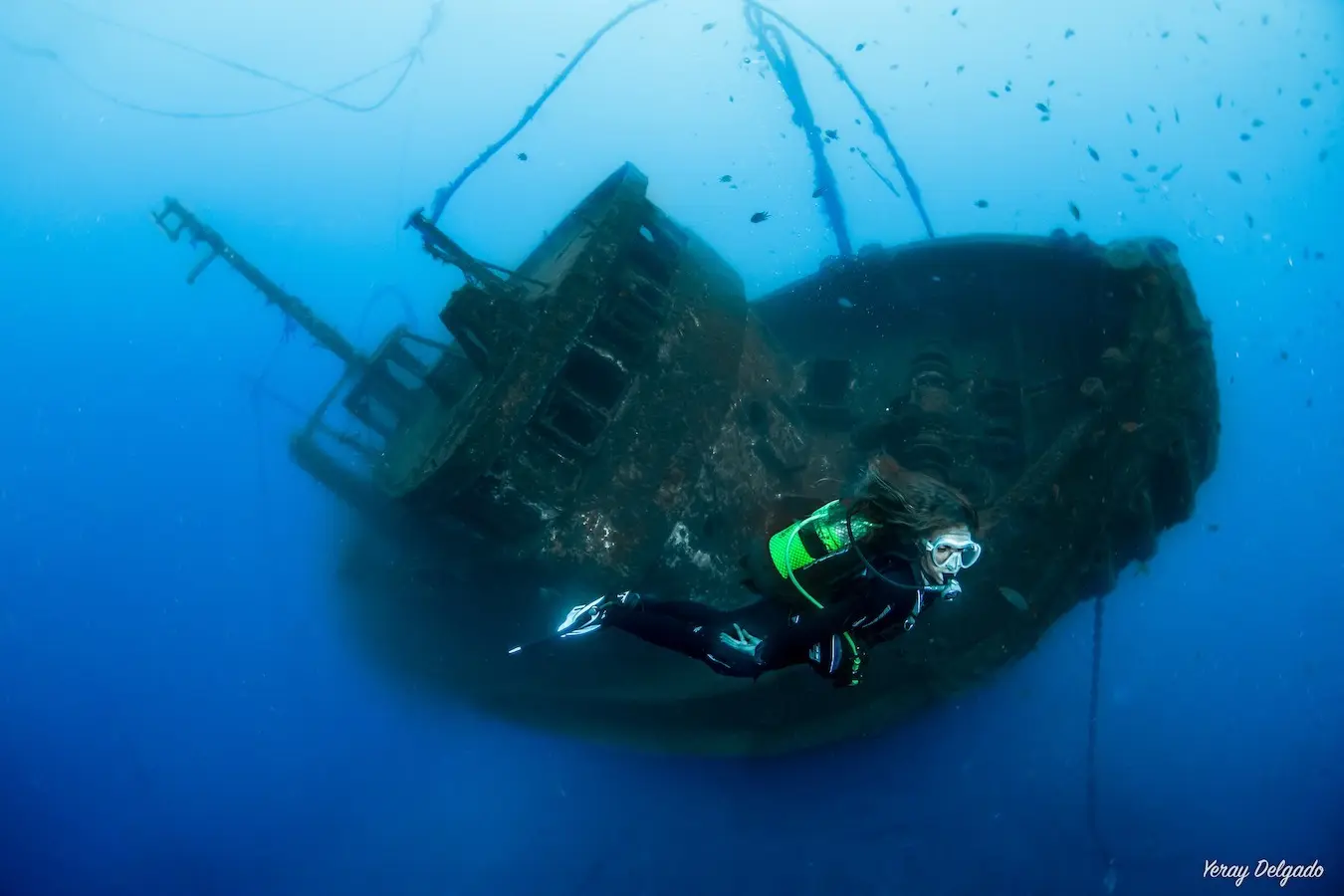
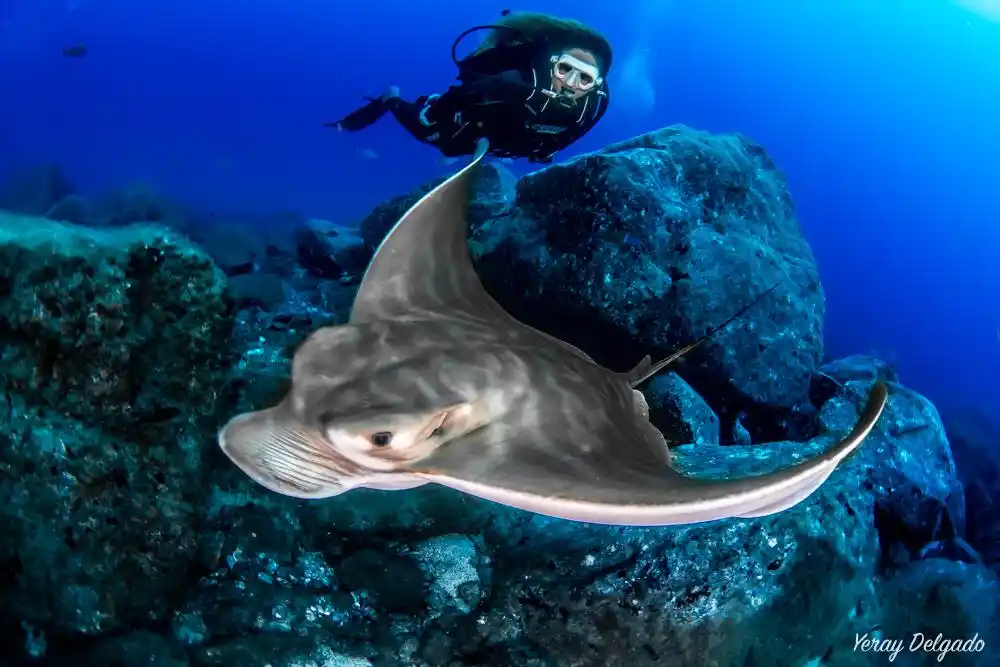
Volcanic diving in Lanzarote is not only about marine life. One of the most distinctive parts of diving here is the underwater scenery itself: dark lava rock, holes, arches, cracks, caves, swim-throughs, walls and irregular volcanic relief. 🌋
Lanzarote’s volcanic identity is visible above the surface, but it also shapes the island’s underwater character. Many dives can combine rocky formations, strong light contrasts, lava textures, hiding places for marine life and dramatic profiles that feel different from a standard sandy or reef dive. 🤿
Quick answer: volcanic diving in Lanzarote stands out because of its lava formations, volcanic reefs, caves, swim-throughs, walls, cracks and dark underwater landscapes. It is especially appealing for certified divers, although some volcanic-looking dives may also be suitable for easier levels depending on the local provider, depth and sea conditions. ✅
At Family Elite Divers, we help travellers compare and book scuba experiences through selected local partner dive centres. We do not recommend a dive only because it sounds spectacular; we look at your level, recent experience, accommodation area, sea conditions and the kind of underwater scenery you want. You can see how it works here: How Family Elite Divers works. 🧭
Volcanic does not always mean difficult
When people hear “volcanic diving”, they often imagine caves or dramatic lava tunnels. But volcanic diving can also mean rocky slopes, small holes, ledges, lava-textured seabeds, walls, arches and natural shelters where marine life gathers. 🐠
This guide focuses specifically on Lanzarote. For a wider Canary Islands overview, read our general guide to volcanic diving in the Canary Islands. 📍
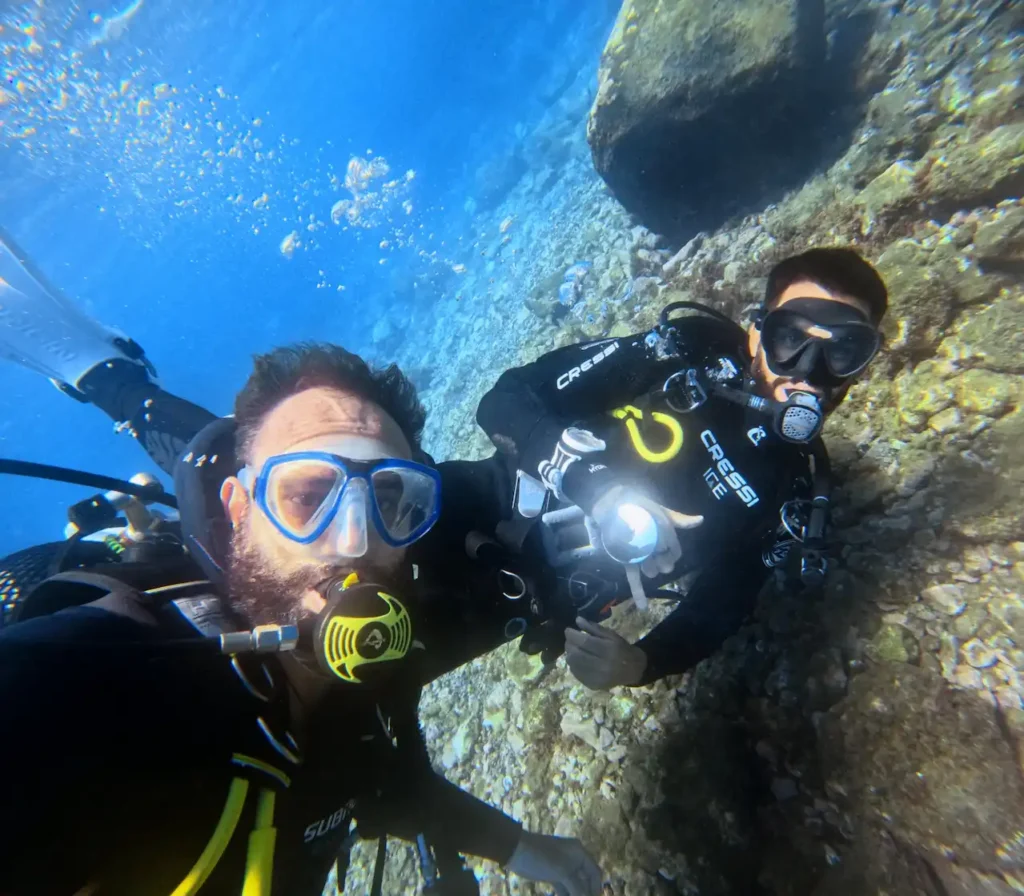
🪨 What makes Lanzarote’s volcanic seabed special?
The appeal of lava diving is not only depth or wildlife. Often, the most memorable part is the feeling of moving through a seascape shaped by volcanic rock, with irregular relief, dark surfaces, small cavities, side light and strong visual contrast. 🔎
Lava formations
Volcanic rock creates a very recognisable underwater texture, with dark surfaces, broken edges and natural structures that give each dive character. 🌋
Holes and cracks
Small cavities and cracks can shelter marine life and add visual interest without necessarily turning the dive into a technical or demanding one. 🐟
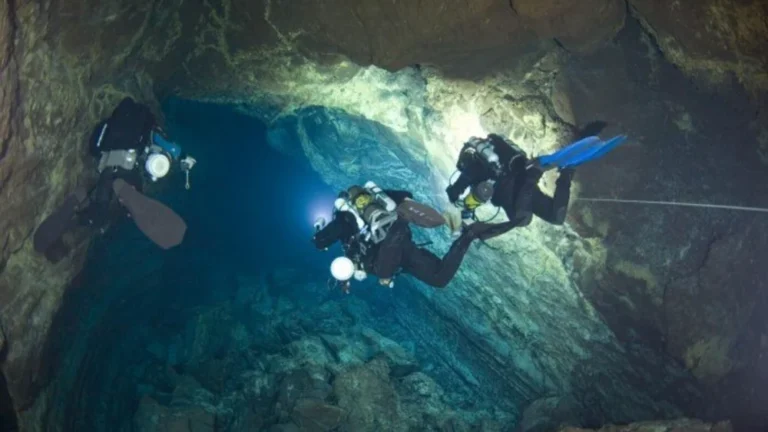
Caves and swim-throughs
Some volcanic areas may include cave-like features or enclosed-feeling spaces, but not all of them are suitable for every diver. Certification and experience matter. ⚠️
Walls and depth changes
Volcanic relief can create impressive depth transitions, but these dives require buoyancy control, air management and proper planning. 📉
Marine life contrast
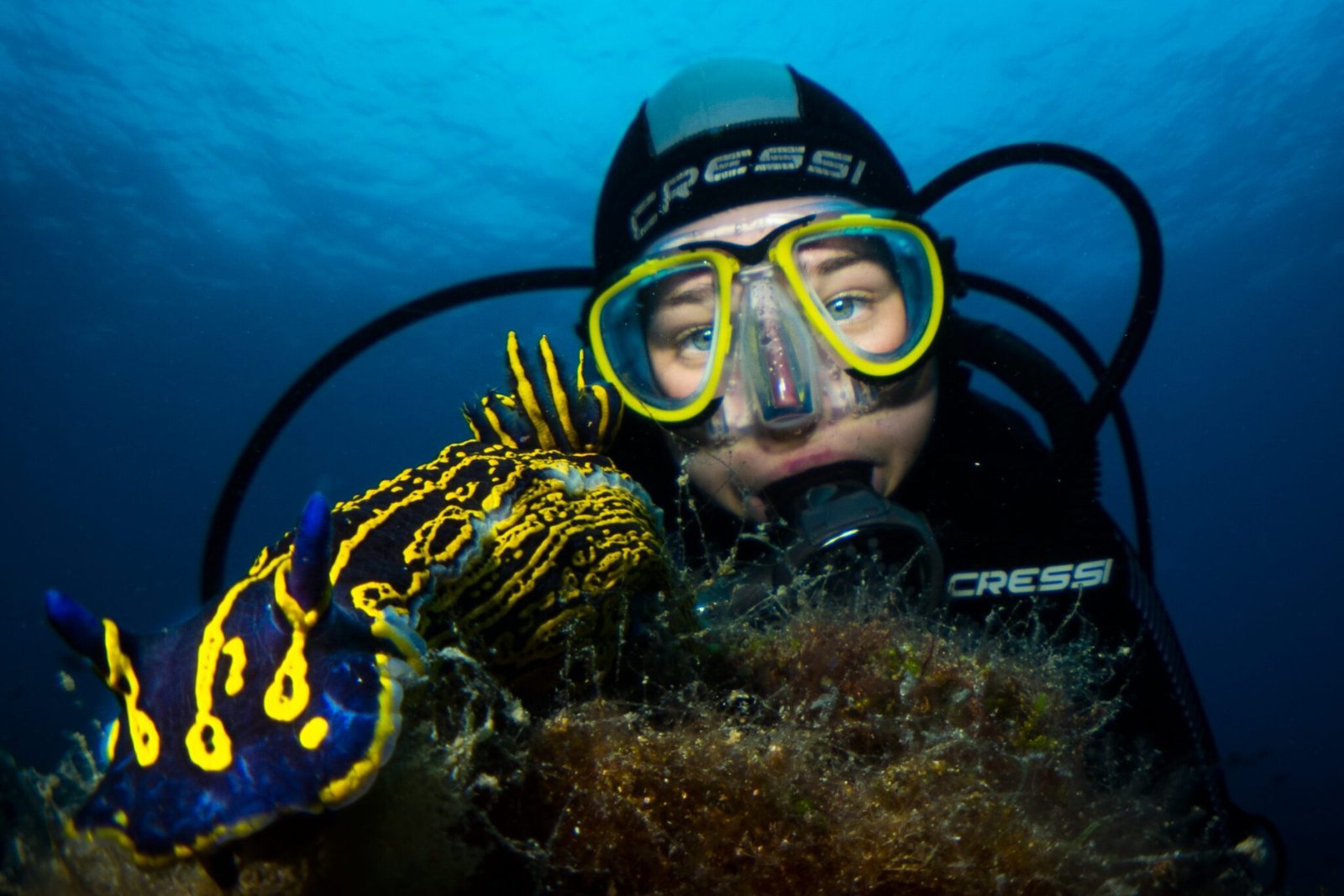
Fish and invertebrates can stand out strongly against dark rock, especially around holes, cracks and walls used as shelter. 🐠
Underwater photography
Holes, arches and side light can create powerful images, as long as divers keep good buoyancy and avoid touching the seabed. 📸
Where to experience volcanic scenery in Lanzarote
If you want to see volcanic underwater landscapes in Lanzarote, it is worth comparing areas such as Puerto del Carmen, Playa Blanca and Costa Teguise. Each area can make sense for a different type of trip, level and dive goal. 📍
If you want varied fun dives, start with the Puerto del Carmen diving guide. If you are looking for a more visual southern experience, check the best dives in Playa Blanca. If you are based on the east coast, read about the best dives in Costa Teguise. 🧭
FED tip: if you want lava holes, caves or volcanic swim-throughs, do not book only because of the photo. Confirm depth, entry type, required experience, ratio, guide support, visibility and whether the route involves overhead or enclosed spaces. ✅
🧭 How to choose a volcanic dive for your level
Volcanic diving can be spectacular, but the right choice matters. A dive with lava, holes or cave-like formations is not automatically difficult, but some profiles may require better buoyancy, more confidence, deeper certification or more recent experience. 🔎
If you are a recently certified Open Water diver
Look for simple volcanic scenery with moderate depth, good visibility, easy entry and close guide support. You do not need to enter a cave or follow a deep profile to enjoy Lanzarote’s volcanic character. 🤿
If you have more experience
You may be able to consider more varied profiles with relief, walls, holes, structures or more dramatic underwater routes. Still, check depth, air consumption, currents, visibility and the safety plan. 📉
If caves or enclosed spaces interest you
Ask very clearly what the route involves. Swimming near a cavity is not the same as entering a cave. If there is a real overhead, darkness, narrow sections or penetration, you need proper training, experience and planning. ⚠️
Quick recap before booking
- Lanzarote stands out for volcanic seabeds, with lava, dark rock, holes and underwater relief. 🌋
- Not every volcanic dive is deep: some can be scenic and relatively simple. 🤿
- Caves and swim-throughs require caution, especially if there is overhead or an enclosed section. ⚠️
- Puerto del Carmen can be a strong option if you want varied volcanic profiles. 📍
- Playa Blanca can be a good fit if you want a more visual or special experience. 🗿
- To compare other islands, browse all scuba diving destinations. 🧭
❓ Frequently asked questions about volcanic diving in Lanzarote
What is volcanic diving in Lanzarote?
It means diving in areas where the underwater landscape is shaped by lava, volcanic rock, cracks, caves, arches, walls and relief created by volcanic processes. 🌋
Do you need a lot of experience for lava diving?
Not always. Some volcanic seabeds can suit easier levels, while caves, swim-throughs, depth or poor visibility require more experience. 🤿
Where can you see volcanic underwater landscapes in Lanzarote?
It depends on the provider and conditions, but areas such as Puerto del Carmen, Playa Blanca and Costa Teguise can offer interesting volcanic profiles. 📍
Are volcanic caves suitable for all divers?
No. Any route involving overhead, darkness or enclosed spaces should be treated carefully and requires suitable guidance, level and planning. ⚠️
Is volcanic diving good for underwater photography?
Yes, because of the contrast of lava, holes, shadows and marine life, but divers should keep good buoyancy and avoid touching the seabed. 📸
Where can I book volcanic diving in Lanzarote?
You can start with our diving in Lanzarote page and share your level, dates and accommodation area. 🧭
If you want to explore Lanzarote’s volcanic underwater scenery, send us your certification, number of dives, last dive date, accommodation area and whether you prefer lava formations, caves, marine life or a calm dive. We can help compare realistic options before booking. 📩
I’m Esteban, a diver and the person behind Family Elite Divers.
Tell me your skill level, your dates, and where you’d like to dive, and I’ll help you choose the experience that best suits you.
Do you have any questions before booking? Write to me, and I’ll give you personalized guidance.
🔗 Related articles to explore volcanic diving in Lanzarote
If lava landscapes and volcanic seabeds interest you, these guides can help you choose the right area and dive style. 🌋
- Volcanic Diving in the Canary Islands — broader overview of volcanic underwater landscapes across the islands. 🌋
- Diving in Puerto del Carmen: complete guide — useful area for varied volcanic profiles and fun dives. 🤿
- Best dives in Puerto del Carmen — dive-site types and underwater profiles for certified divers. 📍
- Best dives in Playa Blanca — if you want visual southern experiences and special dive plans. 🗿
- How to choose a diving center in Lanzarote — safety and trust criteria before booking. ✅