Flying After Diving: How Long Should You Wait?
Plan your last dive safely before your flight home.
Flying After Diving: How Long Should You Wait? ✈️🤿
Plan your last dive safely before your flight home.
Home » Flying After Diving: How Long Should You Wait Before a Flight?
One of the most common questions travelers ask is: how long should you wait before flying after diving? ✈️🤿
This is especially important in island destinations such as Tenerife, La Palma, Lanzarote or anywhere in the Canary Islands, where many visitors want to enjoy one last dive before flying home.
The issue is not the flight itself. The real concern is the pressure change after scuba diving. During a dive, your body absorbs inert gas, mainly nitrogen. After surfacing, that gas needs time to leave your body gradually.
If you fly too soon after diving, the lower cabin pressure in the aircraft can increase the risk of decompression sickness. That is why planning your last dive properly is an important part of a safe scuba trip.
At Family Elite Divers, we help travelers find and book scuba diving experiences with certified local partner centers. But a good diving experience is not only about choosing the right dive site. It is also about planning your schedule, your flight time and your surface interval with common sense.
If you are still deciding where to dive during your trip, you can start with our guide to diving in the Canary Islands or explore our available scuba diving destinations.
In this guide, you will learn how long to wait before flying after diving, what can change the recommended waiting time and how to organize your dives if your return flight is getting close.
Quick Answer: How Many Hours Should You Wait? ⏱️
For recreational no-decompression diving, the commonly used minimum recommendations are:
- Single no-decompression dive: wait at least 12 hours before flying.
- Multiple dives in one day or several days of diving: wait at least 18 hours.
- Deeper, more demanding or decompression dives: wait longer, usually 24 hours or more, following professional guidance.
These are minimum guidelines. If you can leave more time between your last dive and your flight, that is usually the safer choice. A longer surface interval gives your body more time to off-gas.
So, if your flight leaves early the next morning, it is usually better not to dive late the previous afternoon. In many cases, keeping your final travel day as a no-dive day is the most comfortable option.
Why Is Flying Too Soon After Diving a Problem?
When you dive, pressure increases as you descend. Under that pressure, your body absorbs nitrogen from the breathing gas. As you ascend and return to the surface, your body starts eliminating that nitrogen.
Flying adds another pressure change. Even though commercial aircraft cabins are pressurized, cabin pressure is still lower than pressure at sea level. That additional reduction in pressure can increase decompression stress after diving.
This is why divers are advised to leave enough surface interval between the last dive and the flight.
What Is Decompression Sickness?
Decompression sickness, often called DCS, can happen when inert gases such as nitrogen are not eliminated properly after a dive. If pressure decreases too quickly, bubbles may form in body tissues or blood.
DCS is not something to take lightly. Symptoms can vary, and divers should avoid flying if they notice signs that may indicate decompression sickness. When in doubt, seek medical or professional advice before traveling.
The goal is not to scare you. It is to help you plan better. Diving and flying can fit perfectly in the same holiday, as long as your final dive is scheduled with enough time before departure.
Does the Waiting Time Depend on the Type of Dive? 🤿
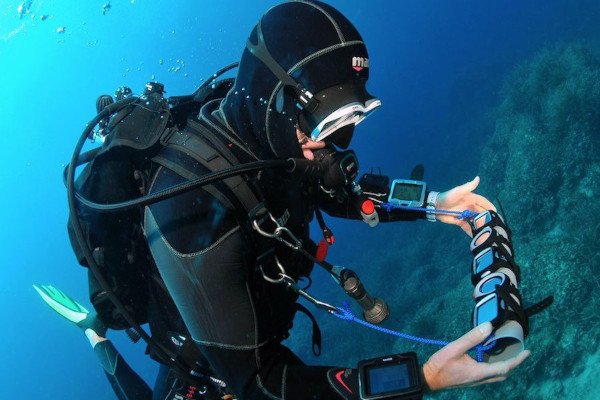
Yes. A calm beginner dive at shallow depth is not the same as doing several guided dives, diving over multiple days or joining deeper recreational dives.
Your recommended waiting time can depend on:
- How many dives you have done.
- The depth and duration of each dive.
- Whether you have been diving for several consecutive days.
- Whether you used air, nitrox or another breathing gas.
- Your hydration, fatigue, general health and personal conditions.
- The exact time of your flight.
If it is your first time scuba diving, you may also find our guide to Discover Scuba Diving useful, where we explain how a first beginner experience usually works.
Practical Examples for Planning Your Trip 📅
If you do one beginner dive in the morning
If you do a simple, shallow, no-decompression beginner experience in the morning, the usual minimum reference is to wait at least 12 hours before flying. Still, the local dive center should confirm what applies to the exact activity and dive profile.
If you are organizing your first scuba experience during your holiday, the key is to choose the right day, avoid rushing your flight schedule and leave enough margin after the dive.
If you do several dives or dive on several days
If you do two dives in one day, dive packages or several days of guided dives, the usual minimum recommendation is at least 18 hours before flying.
For this type of trip, it is smarter to schedule your dives during the first or middle part of your holiday and leave your final day for resting, sightseeing or non-diving activities.
If your flight leaves early the next morning
If your flight is early, avoid booking a late dive the day before. It is better to leave extra time instead of feeling rushed or unsure about whether you have waited long enough.
Before booking, always tell the dive center your flight time. A good local partner should help you choose an activity that fits your travel schedule safely.
If you want to understand the booking process better, you can visit our page about how Family Elite Divers works.
Does This Also Apply to Driving to High Altitude?
Yes, the logic is similar. The concern is not only flying, but also going to higher altitude too soon after diving.
In volcanic islands such as Tenerife, La Palma or Gran Canaria, this can matter if you plan to drive into the mountains, visit high-altitude areas or cross roads at significant elevation after a dive. If your post-dive plans involve altitude, mention it before the activity so the local center can advise you with caution.
Can You Dive After Flying?
In general, diving after flying is not the same problem as flying after diving, because you have not accumulated nitrogen from a previous dive yet.
However, after a long flight, it is still smart to rest, hydrate and avoid diving if you feel exhausted, dehydrated or unwell. Travel fatigue can make your first dive less comfortable and less enjoyable.
If you have just arrived and want to dive the same day, tell the local dive center so they can consider timing, sea conditions and your general state before confirming the plan.
How to Plan Your Dives When You Have a Flight Home ✅
The easiest way to avoid stress is to plan your diving schedule before the final day of your trip. That way, you can enjoy the experience without worrying about the clock.
- Plan your main dives early or mid-trip.
- Avoid late dives the day before flying.
- Keep your last day for beach time, sightseeing or rest.
- Ask about the recommended preflight surface interval.
- Tell the center your exact flight time.
- Be honest about any other dives you have done during the trip.
If you are still choosing a destination or type of scuba experience, you can read our guide to diving in the Canary Islands or explore our available scuba diving destinations.
What to Avoid Right After Diving
Respecting the no-fly interval is important, but your post-dive behavior also matters. You do not need to overthink everything, but it is worth taking the hours after diving calmly.
- Avoid intense exercise immediately after diving.
- Do not overdo alcohol; prioritize water and hydration.
- Avoid very hot showers or hot tubs immediately after more demanding dives.
- Do not make high-altitude plans without asking first.
- Do not ignore unusual symptoms such as pain, tingling, dizziness, breathing difficulty or extreme tiredness.
After diving, a simple plan is usually best: hydrate, rest, eat something light if you need it and give your body time to recover naturally.
What If You Are Not Sure Whether You Can Fly?
If you are unsure about the waiting time, the dive profile or how your flight affects your plan, ask before booking. You should also seek advice if you have done several dives, feel unwell, notice unusual symptoms or had any issue during the dive.
Do not fly if you have symptoms that could suggest decompression sickness or if something feels wrong after diving. In that case, contact medical professionals or diving medicine specialists before traveling.
At Family Elite Divers, we can help you find scuba experiences with certified local dive centers and organize the activity around your travel dates, accommodation area and flight time.
Tell us when you are traveling, where you are staying and when your flight leaves. We will help you choose an option that fits your schedule more safely.
I’m Esteban, a diver and the person behind Family Elite Divers.
Tell me your skill level, your dates, and where you’d like to dive, and I’ll help you choose the experience that best suits you.
Do you have any questions before booking? Write to me, and I’ll give you personalized guidance.
Related Articles to Plan Your Diving Trip 📚
- Diving in the Canary Islands: best islands, dive spots and tips
- Scuba diving destinations: compare experiences for your trip
- How Family Elite Divers works with certified local centers
- Discover Scuba Diving: what it is, price and where to try it
- First Dive in Tenerife: what to expect and how to book safely