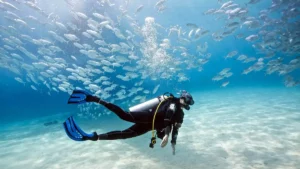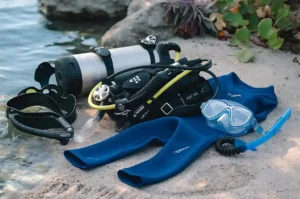
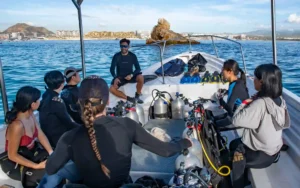
Diving in the Canary Islands: best islands, dive spots, prices and tips 🇮🇨
Compare the best Canary Islands for scuba diving and find beginner-friendly dives, guided experiences and courses with trusted local dive centers.
Diving in the Canary Islands: best islands, dive spots, prices and tips 🇮🇨
Compare the best Canary Islands for scuba diving and find beginner-friendly dives, guided experiences and courses with trusted local dive centers.
Home » Diving in the Canary Islands: best islands, spots and prices
Diving in the Canary Islands is one of the most accessible ways to experience the Atlantic underwater world 🌊. The islands offer volcanic landscapes, clear water, mild temperatures and a wide range of dive areas for both beginners and certified divers.
From Tenerife, La Palma and Lanzarote to islands such as Gran Canaria, El Hierro, Fuerteventura and La Gomera, every island has its own underwater personality 🤿.
This guide will help you understand where to dive in the Canary Islands, which island fits your level, how much scuba diving usually costs and what type of experiences are available.
At Family Elite Divers, we help travelers compare destinations and check scuba diving options with trusted local partner dive centers. The activities are carried out by authorized local centers; Family Elite Divers acts as a booking and guidance service to make the process easier.
📌 Quick summary: scuba diving in the Canary Islands
✔️ Destination: Canary Islands, Spain
✔️ Suitable for: first-time divers, certified divers and scuba courses
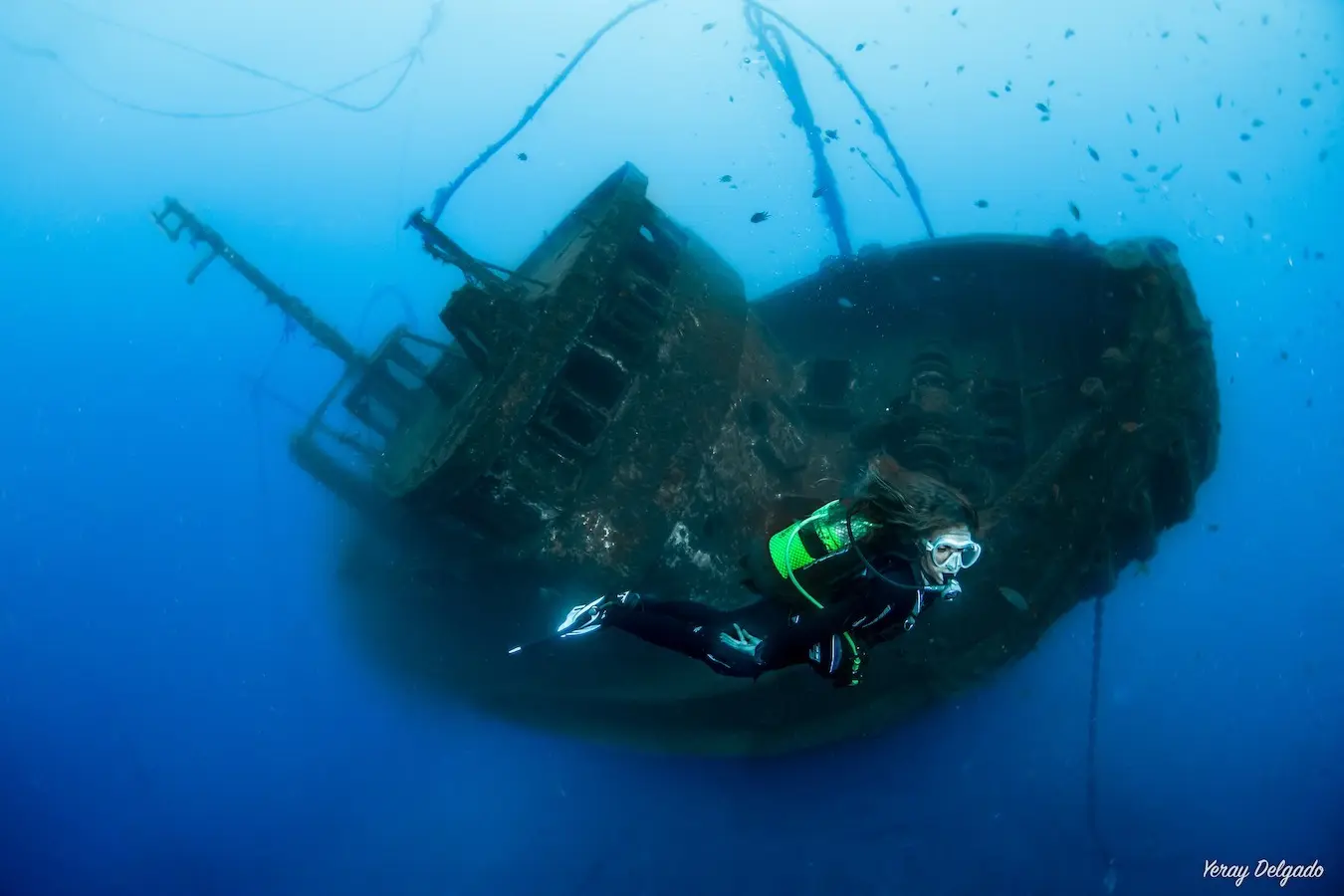
✔️ Type of diving: volcanic reefs, rocky walls, marine life, wrecks, caves and sheltered bays
✔️ Great islands for beginners: Tenerife, Lanzarote and La Palma
✔️ Strong options for certified divers: El Hierro, Lanzarote, Gran Canaria, Tenerife and La Palma
✔️ Season: scuba diving is possible all year round
🗺️ Best Canary Islands for scuba diving
Each island offers a different kind of diving. Some are easier for a first underwater experience, while others are better known for volcanic landscapes, deep walls, marine life or more adventurous dive sites.
Tenerife
Tenerife is one of the most versatile islands for scuba diving in the Canary Islands. It has calm areas for beginners, accessible dive sites, and several interesting zones in the south, east and north of the island.
It can work well for try dives, Open Water courses, guided dives and family-friendly scuba experiences.
👉 Read more about diving in Tenerife.
La Palma
La Palma is known for volcanic seascapes, deep blue water and a more peaceful diving atmosphere 🌋. It is a good option for travelers looking for a less crowded island with a strong natural feel.
Areas such as Santa Cruz de La Palma and Puerto Naos can be interesting for both beginners and certified divers, depending on conditions and the selected activity.
👉 Read more about diving in La Palma.
Lanzarote
Lanzarote is one of the strongest volcanic diving destinations in the Canary Islands. Lava formations, shore dives and areas such as Puerto del Carmen, Playa Blanca and Costa Teguise make it a very complete island for scuba diving.
It is a good fit for try dives, courses, guided dives and certified divers looking for volcanic underwater scenery.
👉 Read more about diving in Lanzarote.
🏝️ Other Canary Islands for scuba diving
Gran Canaria
Gran Canaria offers a mix of accessible dive areas and well-known sites for certified divers. Places such as El Cabrón and Sardina del Norte are often associated with rocky bottoms, Atlantic marine life and interesting dive conditions.
👉 Read more about diving in Gran Canaria.
El Hierro
El Hierro is one of the most distinctive islands for experienced divers in the Canaries. La Restinga is especially well known for clear water, volcanic formations and a wilder underwater feel.
It can be a great choice if you are already certified and want a more remote, nature-focused diving trip.
👉 Read more about diving in El Hierro.
Fuerteventura
Fuerteventura is known for clear water, wide landscapes and a strong beach-and-ocean travel experience. Some areas may work well for easy scuba experiences, while others are better suited to certified divers.
👉 Read more about diving in Fuerteventura.
La Gomera
La Gomera offers a quieter and less crowded diving atmosphere, with volcanic bottoms, rocky areas and a more natural island setting. It can be a good option if you want something different from the busier islands.
👉 Read more about diving in La Gomera.
🤿 Which Canary Island should you choose for diving?
The best island depends on your experience level, travel style and the kind of scuba activity you want to do.
If it is your first time diving: Tenerife, Lanzarote and La Palma are usually practical options because they offer accessible areas and beginner-friendly experiences.
If you want a try dive: choose a sheltered area, simple logistics and a local center used to working with first-time divers.
If you are already certified: Lanzarote, El Hierro, Tenerife, Gran Canaria and La Palma offer some of the most interesting options.
If you like volcanic landscapes: Lanzarote, La Palma, Tenerife and El Hierro are especially attractive.
If you prefer quieter places: La Palma, La Gomera and El Hierro may be better choices.
For a broader comparison, you can also read our guide to the best places to dive in the Canary Islands.
💰 Scuba diving prices in the Canary Islands
Prices can change depending on the island, dive center, season, type of experience and what is included in the booking. As a general reference:
Try dive / Discover Scuba Diving: around €70 – €110
Guided dive: around €30 – €55
Two-dive package: around €60 – €95
Open Water Diver course: around €350 – €500
Advanced Open Water course: around €250 – €400
Family Elite Divers can help you compare available options with local partner dive centers before confirming your booking.
👶 Beginner scuba diving in the Canary Islands
The Canary Islands are a strong destination for learning to dive because they offer sheltered areas, good visibility and experiences designed for people without previous certification.
The most common first step is a try dive, also known as Discover Scuba Diving, where you do not need to hold a diving certification.
👉 Learn more in our guide to scuba diving for beginners in the Canary Islands.
🎓 Courses and guided dives in the Canary Islands
Beyond first-time experiences, the Canary Islands also offer certification courses and guided dives for people who want to keep improving or explore specific dive areas.
- Open Water Diver: the entry-level course to become certified and start diving independently within your limits.
- Advanced Open Water: a practical course to build confidence and try new types of dives.
- Guided dives: for certified divers who want to explore local dive sites with a guide.
- Volcanic diving experiences: dives around lava formations, rocky walls, arches and caves.
👉 If you want to understand the first certification level, read our guide to the Open Water Diver course.
🌋 Volcanic seascapes and marine life
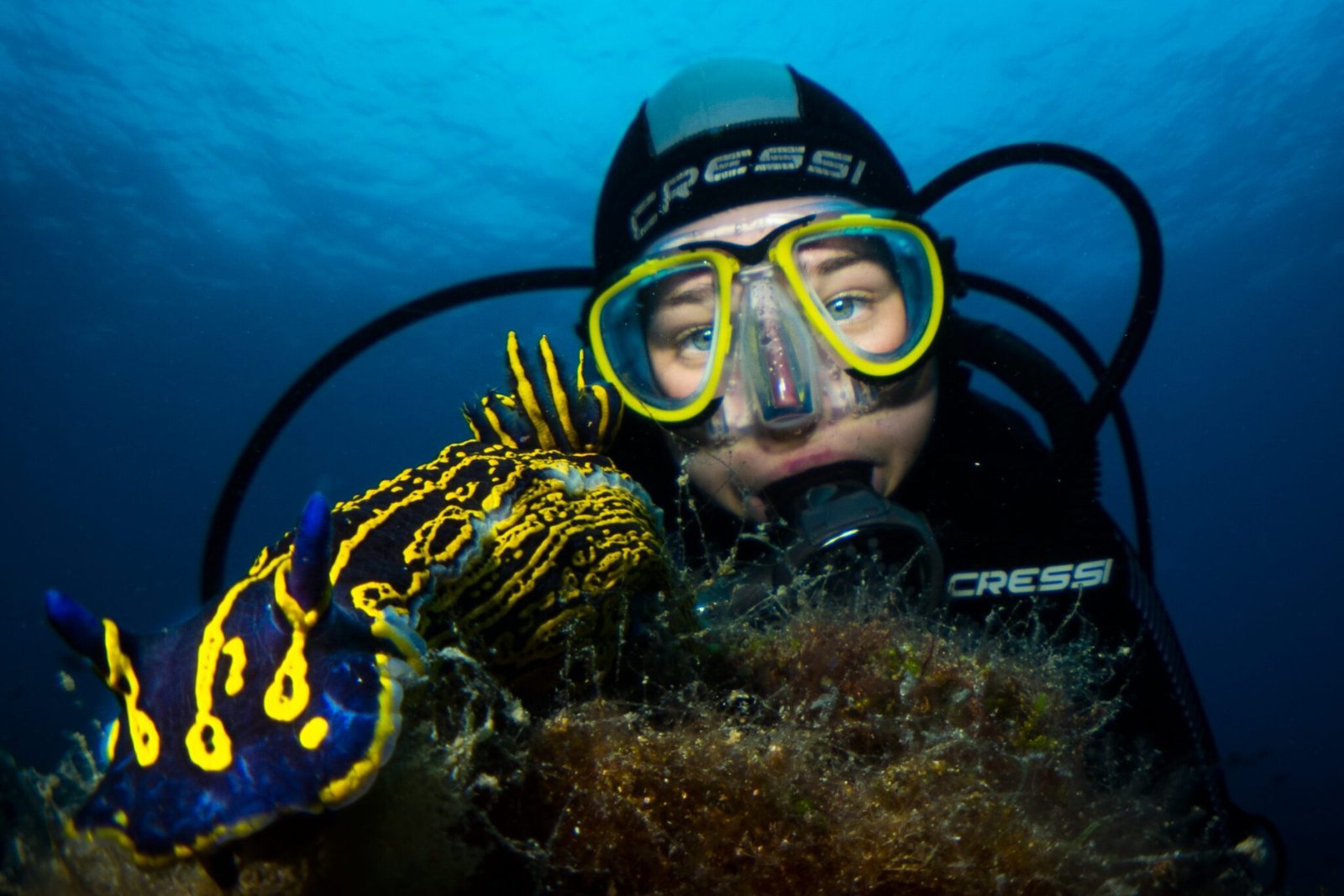
One of the biggest reasons to go scuba diving in the Canary Islands is the volcanic origin of the archipelago. Underwater, you can often find lava formations, rocky walls, caves, arches and dramatic seascapes.
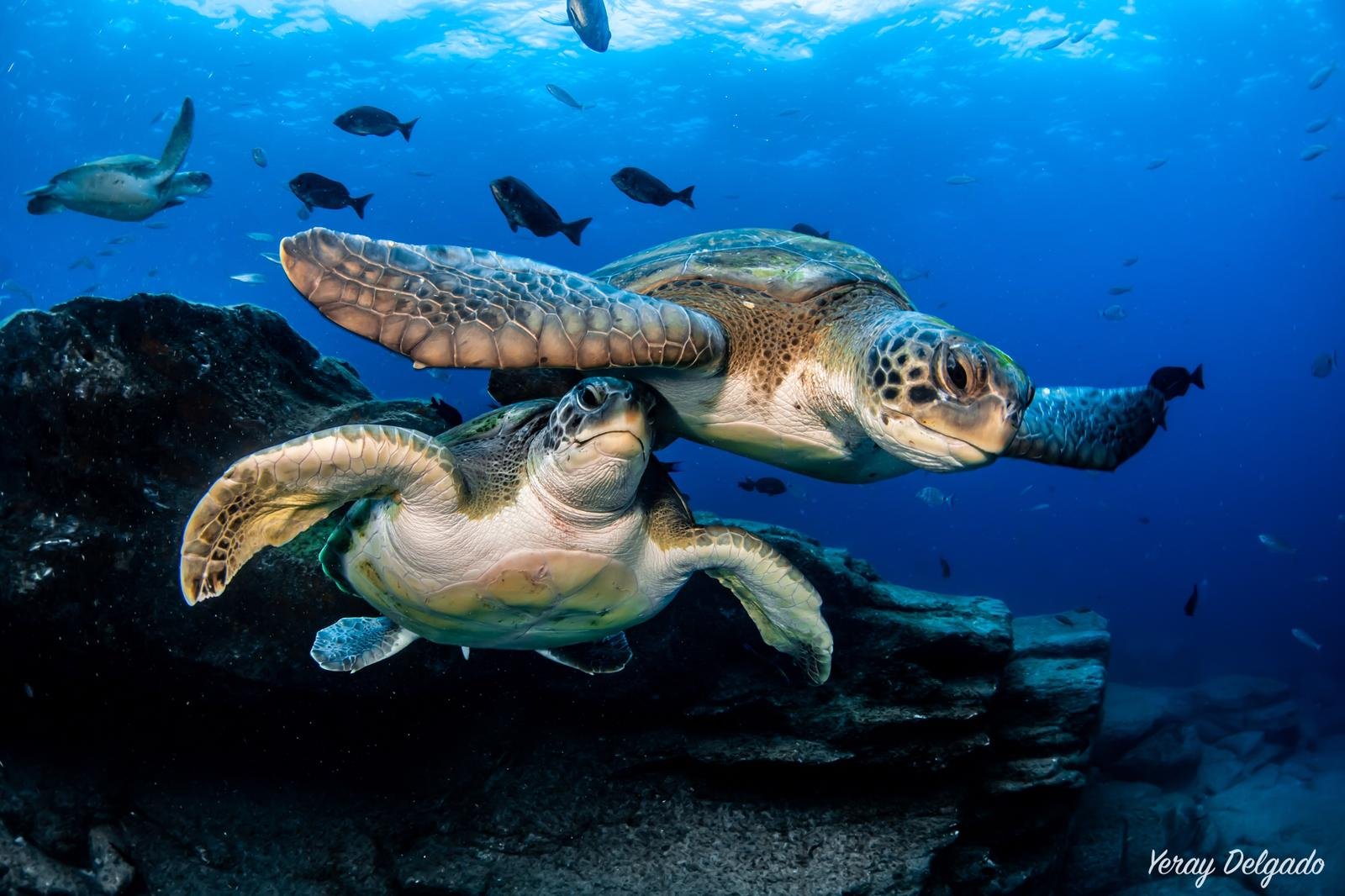
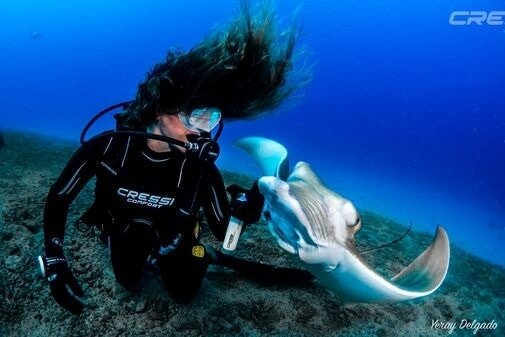
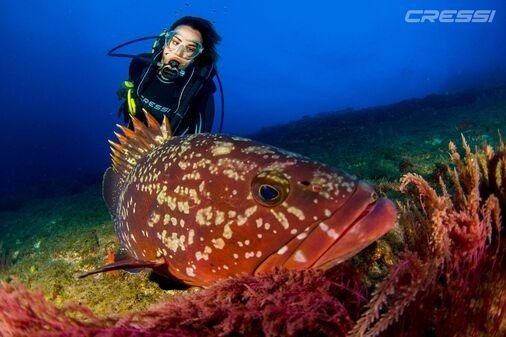
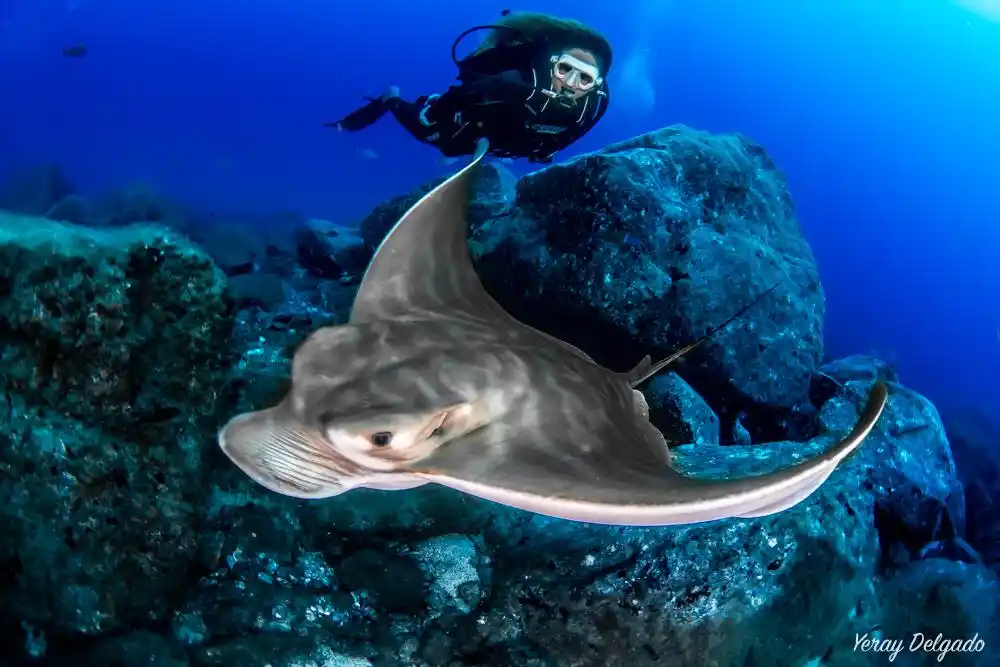
The Atlantic marine life is also varied, with possible encounters such as rays, angel sharks, moray eels, octopus, schooling fish, barracudas and turtles in certain areas.
👉 You can learn more about volcanic diving in the Canary Islands and marine life in the Canary Islands.
📅 Best time to dive in the Canary Islands
You can dive in the Canary Islands all year round. Mild temperatures and a wide choice of dive areas make the archipelago a reliable destination for scuba experiences in different seasons.
In general, spring, summer and autumn tend to offer especially comfortable conditions, although winter diving is also possible with the right wetsuit and proper sea condition checks.
❓ FAQ – Diving in the Canary Islands
Which Canary Island is best for diving?
It depends on your level and the type of experience you want. Tenerife, La Palma and Lanzarote are very complete options, while El Hierro can be especially interesting for certified divers.
Are the Canary Islands good for first-time divers?
Yes. Many areas in the Canary Islands are suitable for a first scuba experience, as long as the dive site is appropriate and the activity is carried out by an authorized local dive center.
Do I need a certification to dive in the Canary Islands?
You do not need a certification for a try dive or Discover Scuba Diving experience. For guided dives as a certified diver, advanced courses or more demanding sites, you will need the right qualification.
How much does scuba diving cost in the Canary Islands?
As a general guide, a try dive usually costs around €70–€110, a guided dive around €30–€55, and an Open Water Diver course around €350–€500, depending on the island, center and what is included.
Can you dive all year round?
Yes, diving is possible throughout the year in the Canary Islands. Actual conditions depend on the island, dive area, wind, swell, visibility and season.
🏆 Find scuba diving options in the Canary Islands
If you want to dive in the Canary Islands but are not sure which island or area to choose, Family Elite Divers can help you compare options based on your level, dates, experience and preferred type of activity.
On islands where we work with partner dive centers, you can check availability or book specific experiences. In other destinations, we can help you understand the best areas before deciding.
The activities are carried out by authorized local partner dive centers. Family Elite Divers acts as a booking and guidance service to make the process easier.
👉 You can also explore all our diving destinations in Spain or read our complete guide to diving in the Canary Islands.
¿Questions? ¡Talk to me!