Requirements to Take the Open Water Diver Course
You do not need to be an athlete to become an Open Water Diver, but you do need to meet a few basic requirements before starting. Here is what really matters before booking your first scuba certification.
Requirements to Take the Open Water Diver Course
You do not need to be an athlete to become an Open Water Diver, but you do need to meet a few basic requirements before starting. Here is what really matters before booking your first scuba certification.
Home » Requirements to Take the Open Water Diver Course
🤿 Quick answer: what do you need to start Open Water Diver?
To take the Open Water Diver course, you normally need to meet the minimum age requirement, be comfortable in the water, complete the medical questionnaire, and have enough basic fitness to dive safely. You do not need previous scuba experience, and you do not need to be an expert swimmer.
The course is designed for beginners. If this is your first certification, the goal is to teach you step by step how to use the equipment, breathe underwater, manage buoyancy, communicate with your instructor and dive safely with a buddy.
Family Elite Divers tip: the most important requirement is not being fearless. It is being honest about your comfort level, your health and your pace of learning.
✅ Main Open Water Diver course requirements
- Minimum age: usually 10 years old for junior options, depending on the agency and course format.
- Water comfort: you should be able to float, swim and stay calm in the water.
- Medical clearance: you must complete a diving medical questionnaire and may need a doctor’s approval in some cases.
- Basic fitness: you should be able to carry light equipment, walk to the dive area and manage normal physical activity.
- Time availability: the course includes theory, confined water practice and open water dives.
- Motivation to learn: scuba diving is practical, but it also requires attention, listening and repetition.
If you are planning to do the Open Water Diver course in Tenerife, it is worth checking the schedule, dive conditions and course structure before choosing your dates.
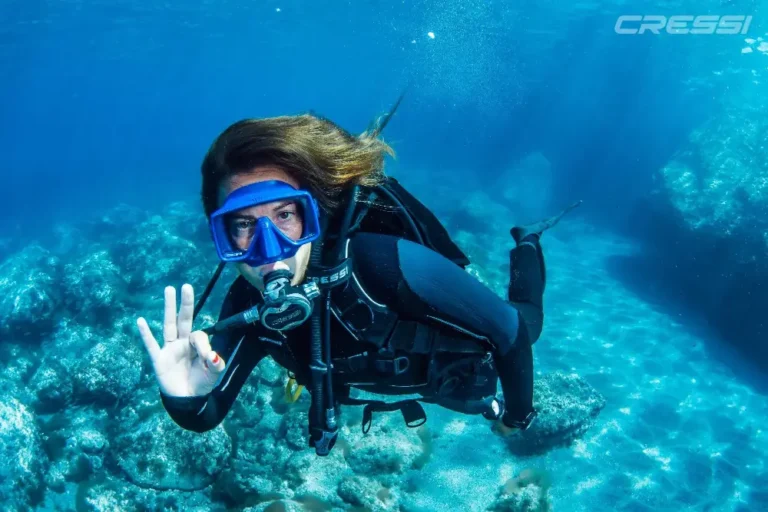
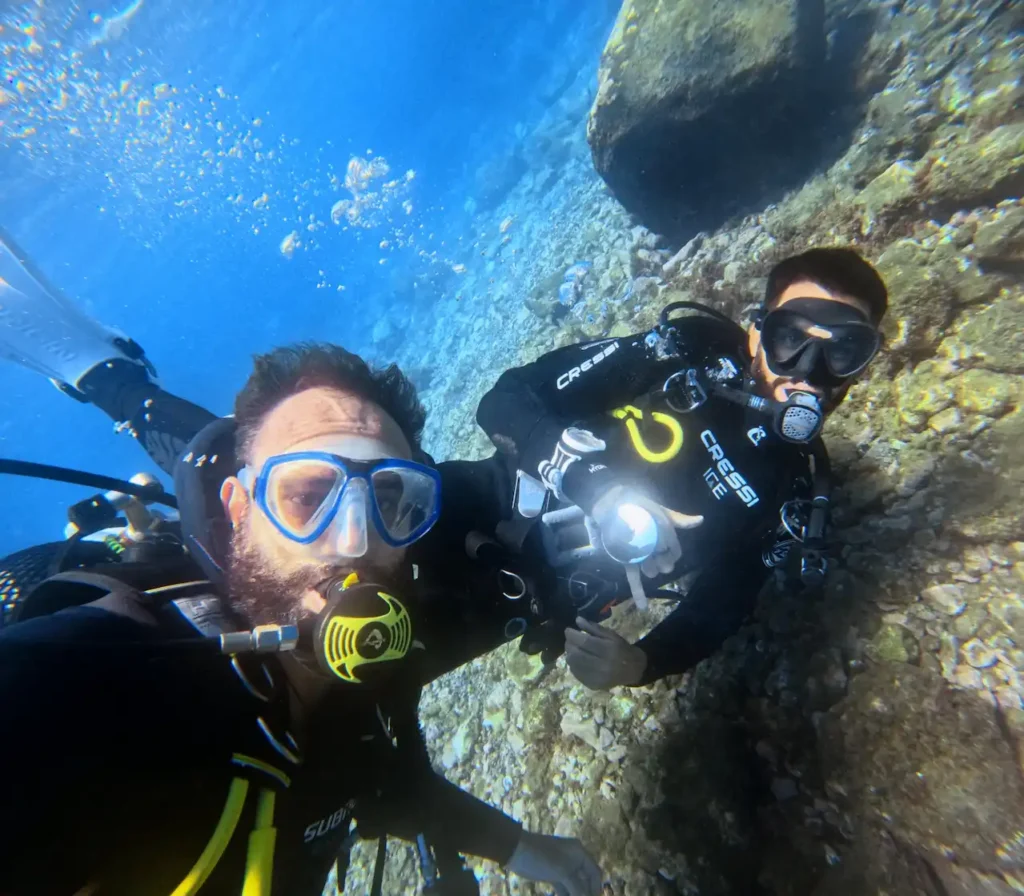
🏊 Do you need to be a strong swimmer?
No, you do not need to swim like a competitive athlete, but you do need to be comfortable in the water. The course is not about speed. It is about control, calm breathing and basic independence in the water.
Most Open Water Diver courses include a basic swim and float requirement. This is not there to make the course difficult; it is there to confirm that you can manage yourself safely without panic.
| Requirement | What it means | Why it matters |
|---|---|---|
| Comfort in water | You can stay calm while floating or swimming | Helps you learn without unnecessary stress |
| Basic swimming | You can move through the water without assistance | Supports safety and confidence |
| Floating | You can stay at the surface for a short period | Useful before and after dives |
| No scuba experience | You can start as a complete beginner | The course teaches the diving skills from zero |
If you are not sure whether you are ready, a beginner experience or a conversation with an instructor can help. Our How It Works page explains how the process usually starts before you get in the water.
🩺 Health and medical requirements
Before diving, you must complete a medical questionnaire honestly. Some conditions do not automatically stop you from diving, but they may require medical approval before the course.
Common reasons to ask for medical clearance include certain heart conditions, breathing issues, recent surgery, fainting episodes, some medications, pregnancy or ear and sinus problems. When in doubt, check with a doctor familiar with diving medicine before starting.
You can review the official Diver Medical Participant Questionnaire to understand the type of questions normally used before scuba training.
🌊 Where you learn also matters
The requirements are important, but the learning environment makes a big difference. Calm conditions, clear briefings, small groups and patient instruction help beginner divers progress with more confidence.
If you are comparing places to learn, look at the type of dive sites, logistics and support available in each location. You can explore our diving destinations to see where different courses and experiences fit best.
Once you finish Open Water Diver, you can continue with guided dives, specialties or the next certification. This article on Open Water vs Advanced Open Water explains the next step clearly.
❓ FAQ
Can I take Open Water Diver with no experience?
Yes. The Open Water Diver course is a beginner certification, so you can start without previous scuba diving experience.
Do I need my own equipment?
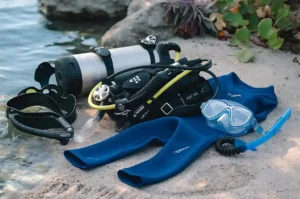
Usually no. Most dive centers provide the main scuba equipment for the course. You may only need personal items such as swimwear, towel and comfortable clothes.
Can teenagers do the Open Water Diver course?
Yes, junior certification options are usually available from age 10, depending on the training agency, conditions and instructor assessment.
What if I am nervous before starting?
That is normal. A good instructor will adapt the pace, repeat skills when needed and help you build confidence gradually.
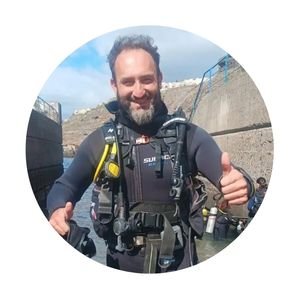
I’m Esteban, a diver and the person behind Family Elite Divers.
Tell me your skill level, your dates, and where you’d like to dive, and I’ll help you choose the experience that best suits you.
Do you have any questions before booking? Write to me, and I’ll give you personalized guidance.