Best scuba specialties after Open Water Diver depending on how you want to dive
The best next step is not always the most advanced, but the one that builds confidence.
Best scuba specialties after Open Water Diver depending on how you want to dive
The best next step is not always the most advanced, but the one that builds confidence.
Home » Best Scuba Specialties After Open Water Diver
Finishing your Open Water Diver course is a big milestone. 🤿 You can join certified dives, plan simple recreational profiles and start exploring the underwater world with more independence. But very soon another question appears: which scuba specialties should you take after Open Water Diver?
Quick answer: after Open Water Diver, the most useful scuba specialties are often Peak Performance Buoyancy, Underwater Navigation, Enriched Air Nitrox, Deep Diving, Wreck Diving and Underwater Photography. If you are still a new diver, start with control, safety and confidence. If you already feel comfortable underwater, choose specialties based on the dives you actually want to do.
This is not about collecting certification cards. 🧭 It is about choosing training that helps you dive better, use less air, move with more control and make better decisions underwater. If you are still before that stage, start with the Open Water Diver course in Tenerife. If you are already certified and want to progress, this guide will help you choose more clearly.
🤿 What to do after Open Water Diver
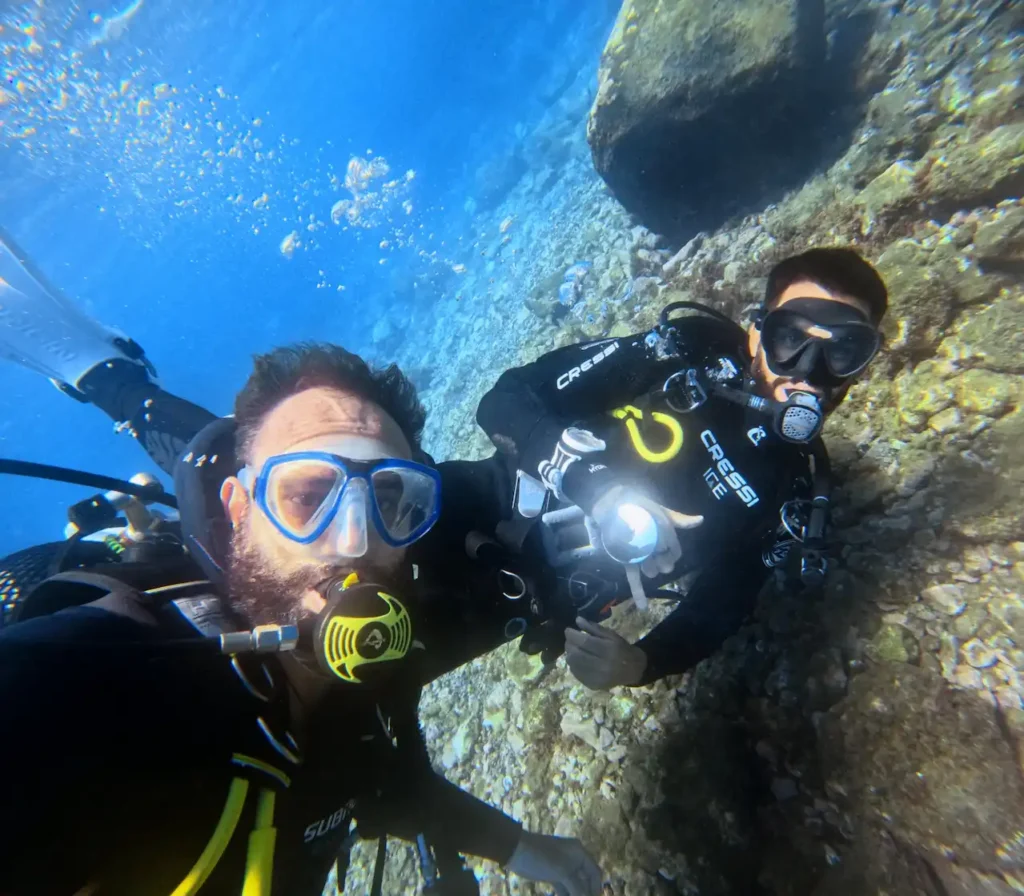
After Open Water, you usually have three good options: do more guided dives, take the Advanced Open Water Diver course or choose specific specialty courses. 🐠 None of these is automatically better than the others. It depends on your experience, confidence, goals and the type of diving you want to enjoy.
- If you have little experience: focus on buoyancy, navigation and easy guided dives.
- If you want to dive deeper: consider Advanced Open Water or Deep Diver training with an instructor.
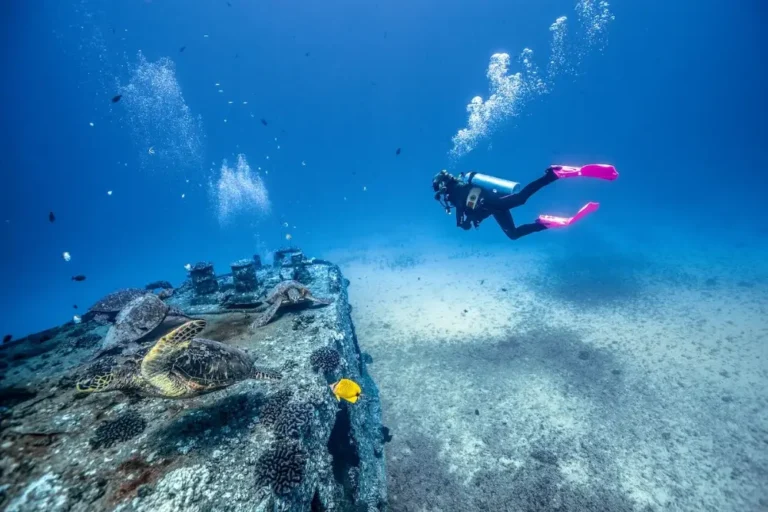
- If wrecks attract you: learn limits, planning and responsible wreck-diving practices first.
- If you do several dives per day: Nitrox can be very useful for managing certain dive profiles.
- If you love marine life: photography, species awareness or conservation can be a great fit.
- If you get disoriented underwater: navigation is one of the smartest investments you can make.
PADI lists a wide range of specialty courses, from buoyancy and Nitrox to wreck, deep and underwater photography. You can check the official list of PADI specialty courses. ✅
🧭 Recommended specialties by goal
The best specialty after Open Water is not always the most dramatic one. 🌊 Very often, the course that changes your diving the most is the one that improves a core skill: buoyancy, navigation, calm breathing, gas awareness or understanding your limits.
| Goal | Best specialty | Why it helps |
|---|---|---|
| Better control | Peak Performance Buoyancy | Helps you use less air, avoid touching the bottom and move more smoothly. |
| Stop feeling lost | Underwater Navigation | Improves compass use, natural references and buddy-team awareness. |
| Repetitive dive days | Enriched Air Nitrox | Can help with no-decompression time on certain dive profiles. |
| Wreck interest | Wreck Diver | Teaches planning, limits and responsible wreck exploration. |
| More depth awareness | Deep Diver | Builds planning, gas management, ascent control and depth discipline. |
| Marine life focus | Photography, awareness or conservation | Helps you observe better without disturbing the environment. |
Buoyancy: the underrated first specialty
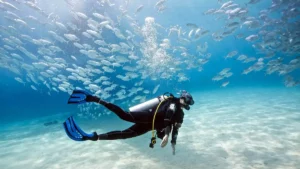
If you have recently finished Open Water, buoyancy is often one of the best choices. 🫧 It may not sound as exciting as wrecks or deep diving, but it changes everything: air consumption, trim, safety, photography, reef protection and overall comfort. A diver with good buoyancy usually enjoys every other dive more.
Navigation: less dependence, more awareness
Underwater Navigation helps you understand how to return, use a compass and read natural references. 🧭 Even if you continue diving with a guide, having your own awareness underwater makes you a safer diver. It also pairs well with the Advanced Open Water Diver course in Tenerife.
Nitrox: useful for multi-dive days
Nitrox is not about going deeper. 💨 Its main value is in certain profiles where you want to manage no-decompression time more efficiently, especially on repetitive dive days. It also teaches you to think more carefully about oxygen limits, maximum operating depth and dive planning.
FED tip: if you are unsure which specialty to choose, do not pick the one with the coolest photo. Choose the one that solves your biggest current limitation: buoyancy, navigation, confidence, air consumption or planning. That is where you will feel the biggest improvement.
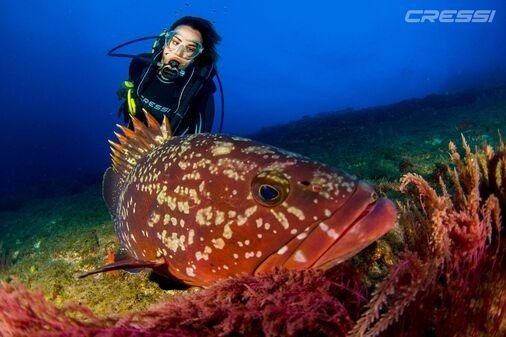
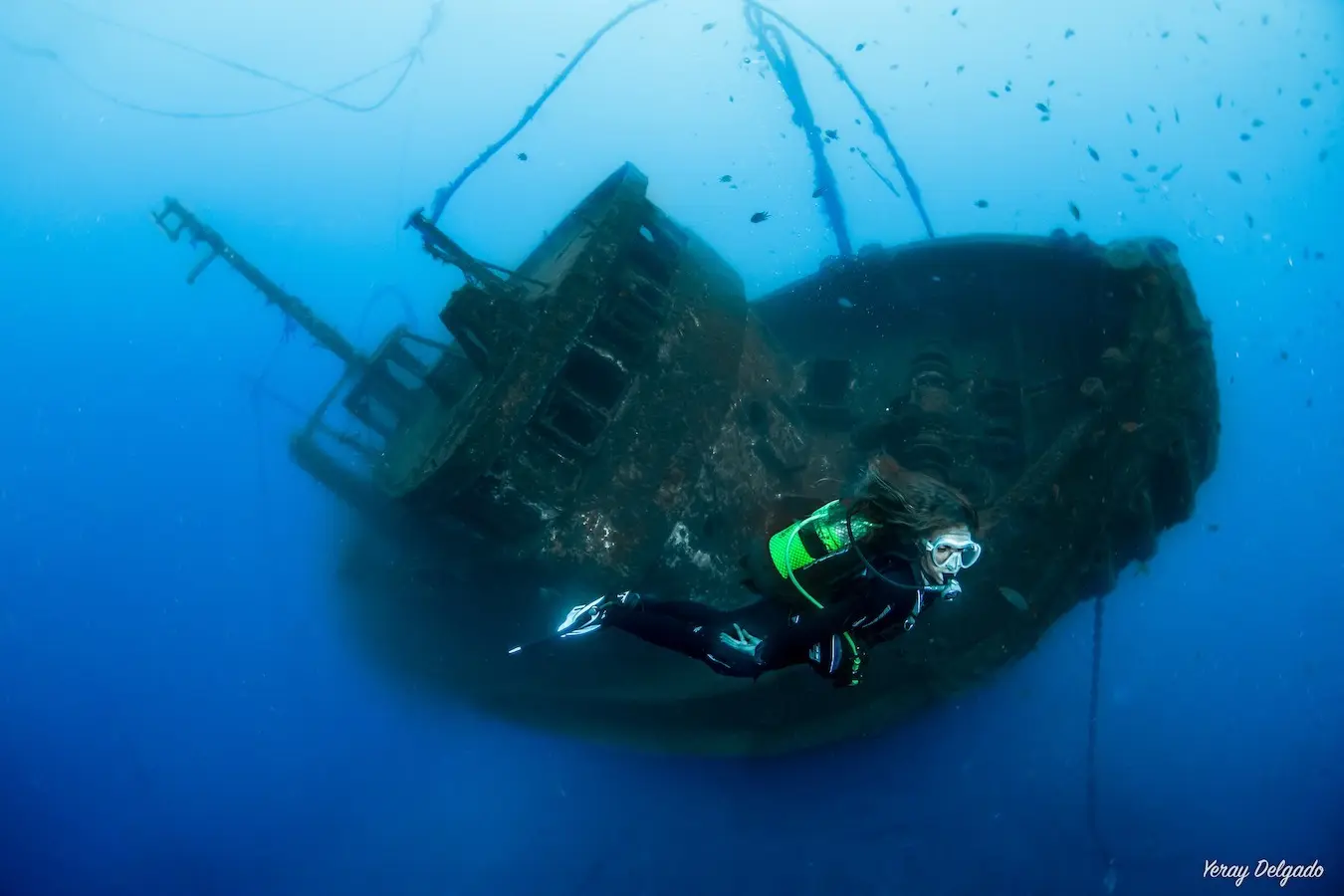
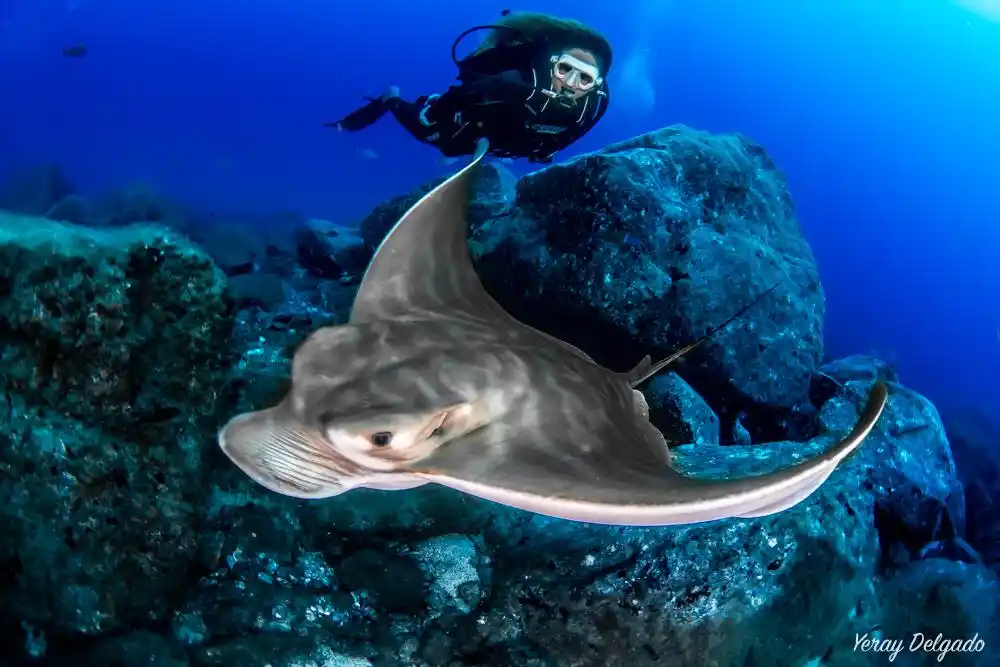
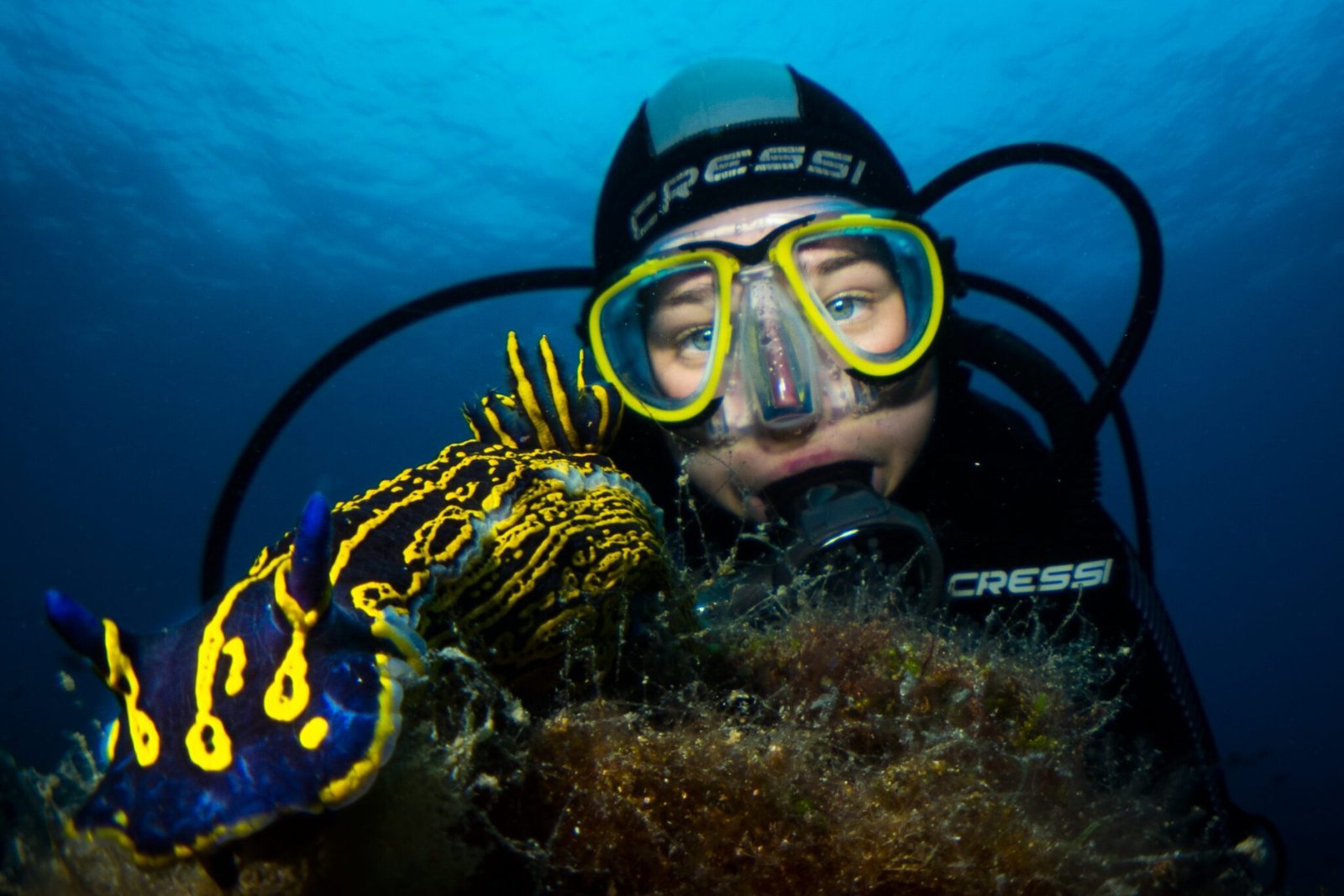
🐢 Wrecks, deep diving, turtles and photography: when each makes sense
Once you feel comfortable with the basics, the more visually exciting specialties start to look tempting: wreck diving, deep diving, photography or marine life awareness. 🐢 These can be excellent choices, but some of them involve more demanding dive planning and should be approached with proper training.
Wreck diving: adventure with boundaries
Wreck diving can be fascinating if you love aircraft wrecks, shipwrecks or underwater structures. ✈️ But diving a wreck does not mean entering every opening or improvising. Training helps you understand limits, buoyancy, orientation, possible entanglement risks and responsible wreck-diving behaviour.
Deep diving: not just chasing metres
Deep diving training makes sense if you want to understand what changes with depth: air consumption, narcosis awareness, planning, ascent control and no-decompression limits. 🌊 If Tenerife is your main diving destination, this can fit well with volcanic landscapes, walls and more demanding dive sites, always within recreational limits.
Photography and marine life: look better, touch less
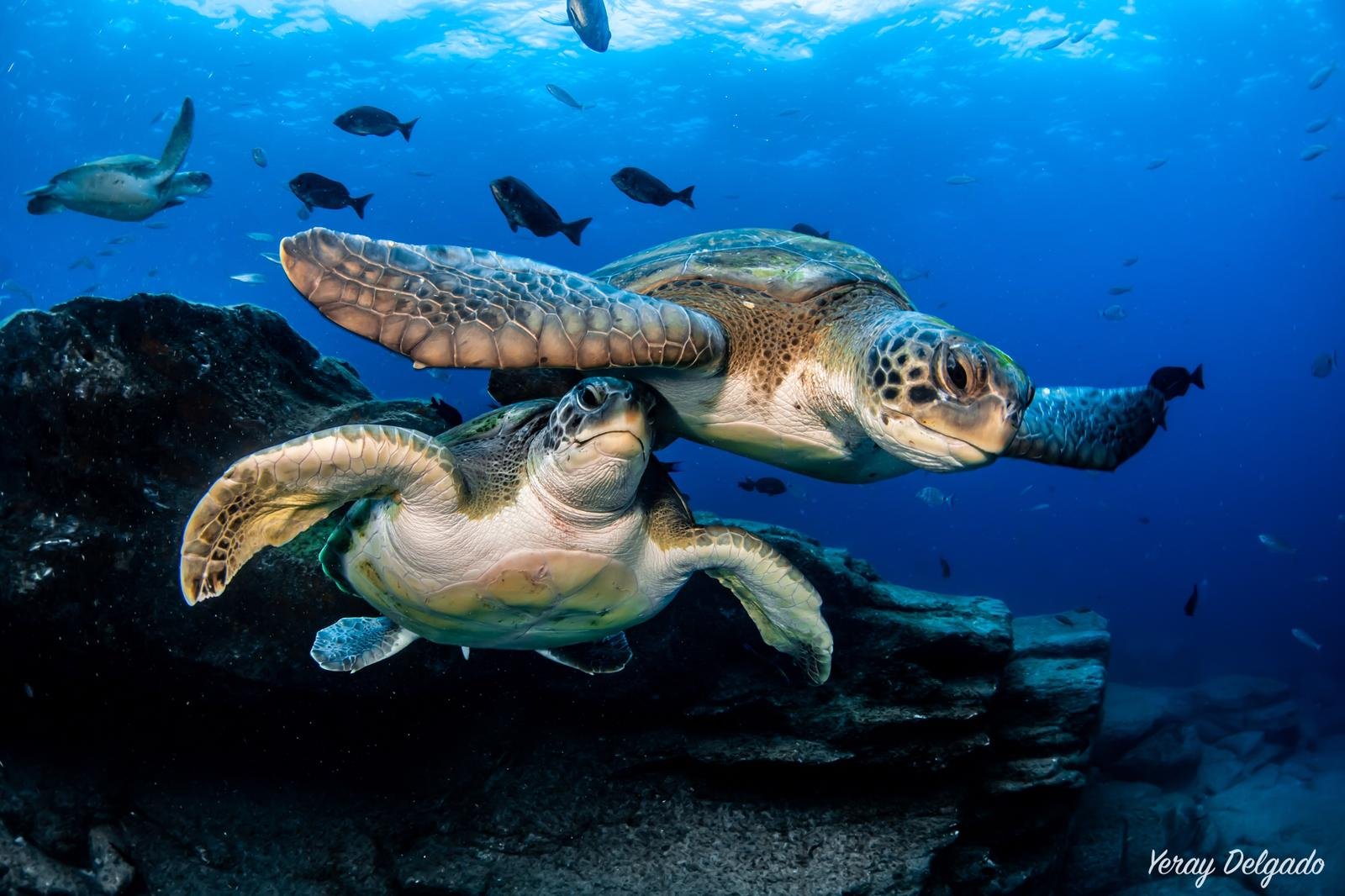
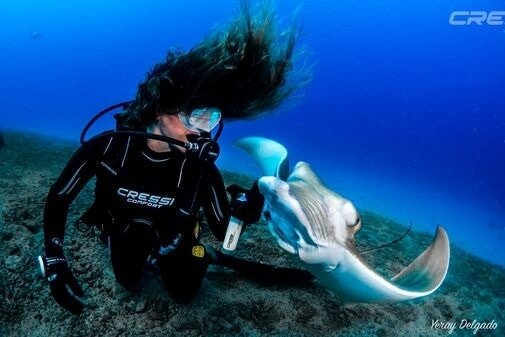
If what you enjoy most is seeing turtles, fish schools, rays or volcanic scenery, underwater photography or marine-life awareness can be very rewarding. 📸 These specialties also push you to improve buoyancy and approach animals respectfully. Remember: seeing a turtle is never guaranteed, and marine life should never be chased or touched.
If you are still unsure whether you need a course or just more dives, compare the options in our guide to Discover Scuba Diving, Open Water and Advanced. 🤿 You can also read our scuba diving in Tenerife guide to understand which types of dive sites may fit your level and goals.
❓ FAQ about scuba specialties after Open Water
Do I need Advanced Open Water before taking a specialty?
Not always. Some specialties can be taken after Open Water, while others may have age, certification, depth or experience requirements. It depends on the agency and the dive centre. ✅
Which specialty should I take first?
For many new divers, buoyancy or navigation are the most useful first specialties. If you already feel comfortable and plan multi-dive days, Nitrox can also make sense. 🤿
Is Advanced Open Water the same as a specialty?
Not exactly. Advanced usually introduces you to several areas through Adventure Dives. A specialty goes deeper into one specific skill or type of diving. 🧭
Can I do wreck diving right after Open Water?
It depends on the wreck, depth, conditions and course requirements. Seeing a wreck from the outside is very different from penetration or more complex wreck diving. ⚠️
Does Nitrox let me dive deeper?
No. Nitrox has oxygen-related depth limits. Its advantage is usually linked to certain no-decompression profiles, not deeper diving. 💨
What if I do not know what to choose?
Do one or two guided dives, notice what feels hardest, and choose a specialty based on that. If you want help choosing the next step, you can contact Family Elite Divers and we will guide you through options with selected local partner centres. 🐠
In short: the best scuba specialty after Open Water Diver is the one that improves your real safety and enjoyment. For many divers that means buoyancy or navigation; for others, Nitrox, wreck, deep diving or photography. Choose with purpose, not impulse.
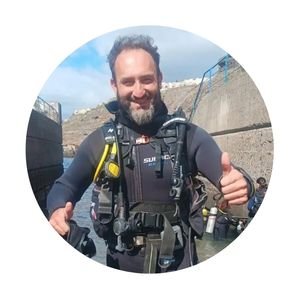
I’m Esteban, a diver and the person behind Family Elite Divers.
Tell me your skill level, your dates, and where you’d like to dive, and I’ll help you choose the experience that best suits you.
Do you have any questions before booking? Write to me, and I’ll give you personalized guidance.