Best dives in La Palma for choosing the right site for your level
A practical guide to La Palma’s most interesting dive sites, areas and underwater landscapes.
Best dives in La Palma for choosing the right site for your level
A practical guide to La Palma’s most interesting dive sites, areas and underwater landscapes.
Home » Best Dives in La Palma
La Palma may look small on the map, but underwater it feels much bigger 🌊. Volcanic reefs, lava formations, shore entries, walls, arches and Atlantic marine life make it one of the most distinctive scuba diving islands in the Canaries.
Quick answer: The best dives in La Palma are usually found around Malpique, Las Cabras, Los Cancajos, Puerto Naos and Santa Cruz de La Palma. Malpique is famous for its underwater crosses and volcanic scenery, Las Cabras for lava formations and marine life, Los Cancajos for varied routes and easy logistics, and Puerto Naos for west-coast diving and volcanic walls.
The smartest choice is not always the most famous dive site 🤿. It depends on your certification, recent experience, sea conditions, entry point, depth and the kind of dive you want. At FED, we help divers compare selected local dive centres and book with a clearer idea of what actually fits their trip.
🌋 Best dives in La Palma: quick summary
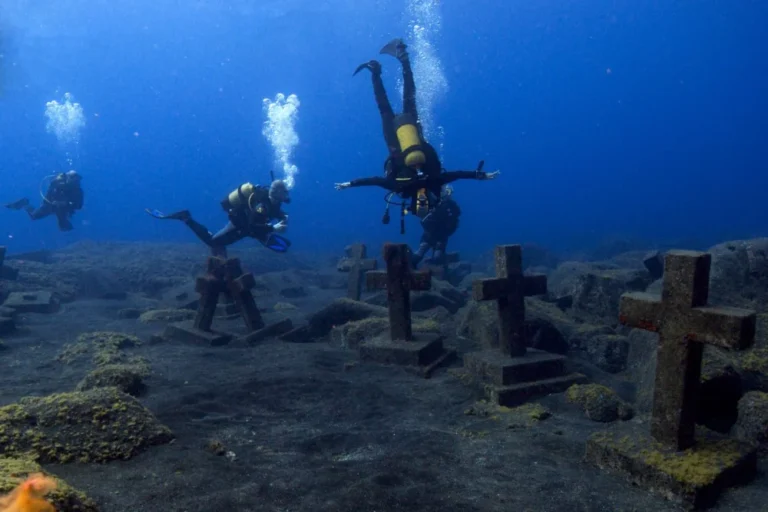
- Malpique – Las Cruces: one of La Palma’s most iconic dives, with underwater crosses and volcanic scenery.
- Torre de Malpique: a deeper and more demanding volcanic pinnacle, best suited to experienced divers.
- Las Cabras: young lava formations, small swim-throughs, Atlantic fish life and strong photo appeal.
- Los Cancajos: a versatile area with lava tunnels, small caves, canyons and options for different levels.
- Puerto Naos: a strong west-coast option for shore diving, walls and relaxed volcanic landscapes when conditions allow.
- Santa Cruz de La Palma: a practical base if you want easy logistics close to the island’s capital.
For a broader planning view, combine this article with our main page for diving in La Palma and our full guide to scuba diving in La Palma 🧭.
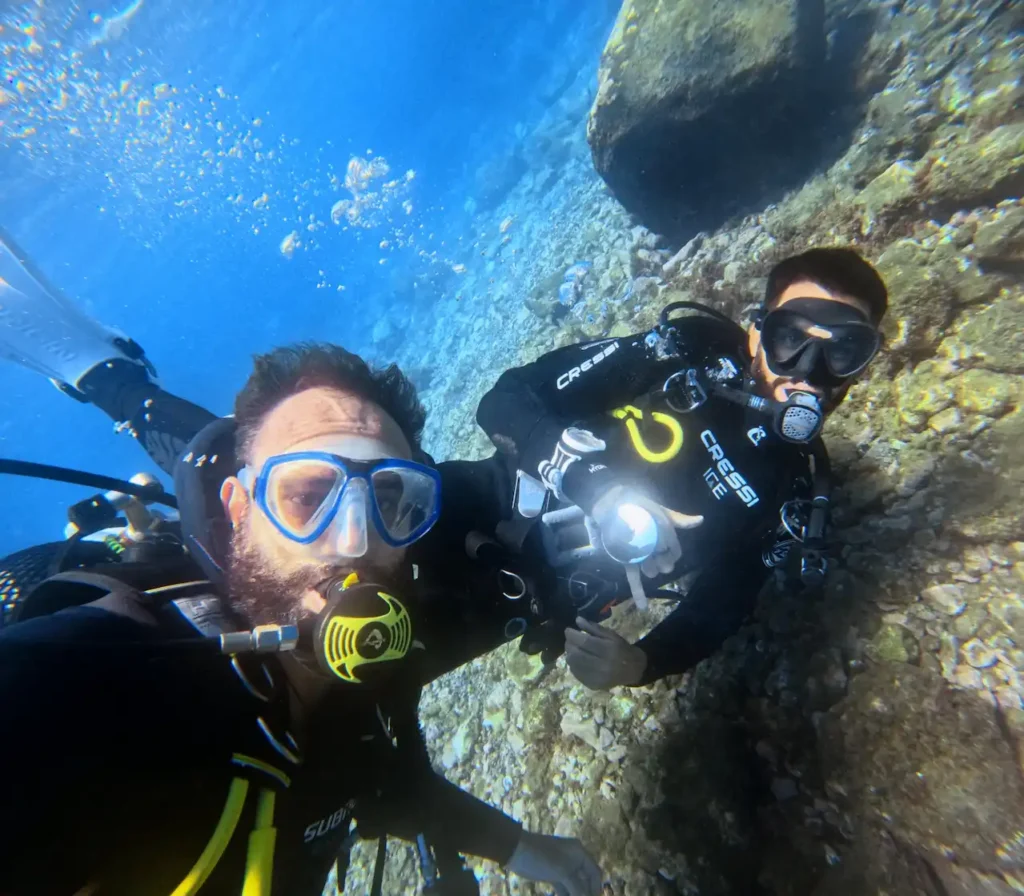
🐠 Top recommended dive sites in La Palma
1. Malpique – Las Cruces
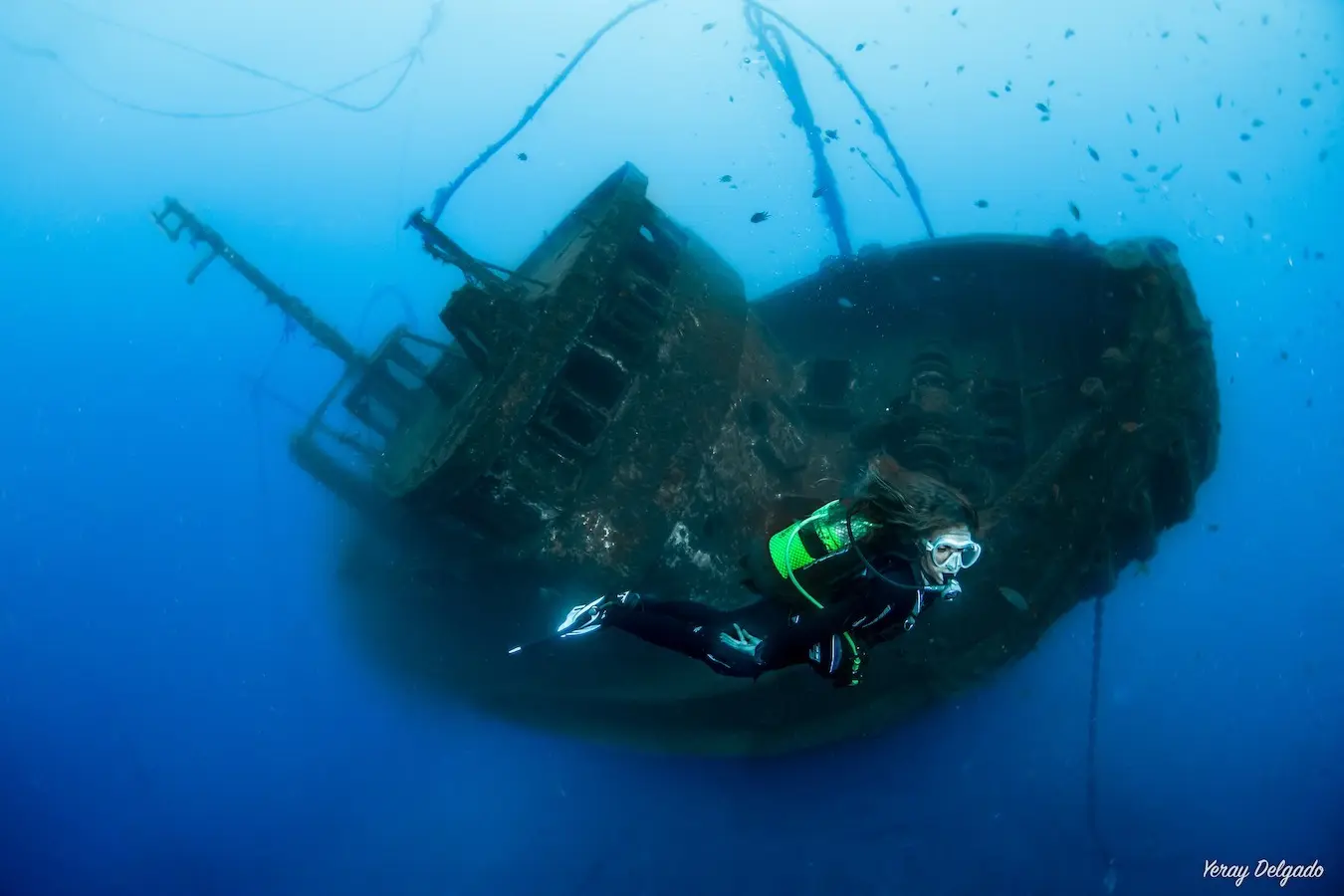
Malpique is probably the most recognisable dive area in La Palma 🤿. The underwater crosses near Fuencaliente make it memorable, but the volcanic seabed and Atlantic visibility are what make the dive feel truly Canarian.
According to the official La Palma tourism information, Las Cruces de Malpique is a shore-access dive with an approximate depth of 20 metres 🌊. Conditions still matter, especially current and entry/exit comfort, so it is best done with a local guide who knows the site well.
2. Torre de Malpique
Torre de Malpique is a more advanced dive: a volcanic column, a wall-like feeling and deeper sections 🌋. It can be spectacular, but it is not the place to test your limits if you have not dived recently.
The official information for Torre de Malpique presents it as a deeper, more demanding dive with strong volcanic scenery 📸. If you are unsure about depth, buoyancy or air consumption, start with easier La Palma dive sites first.
3. Las Cabras
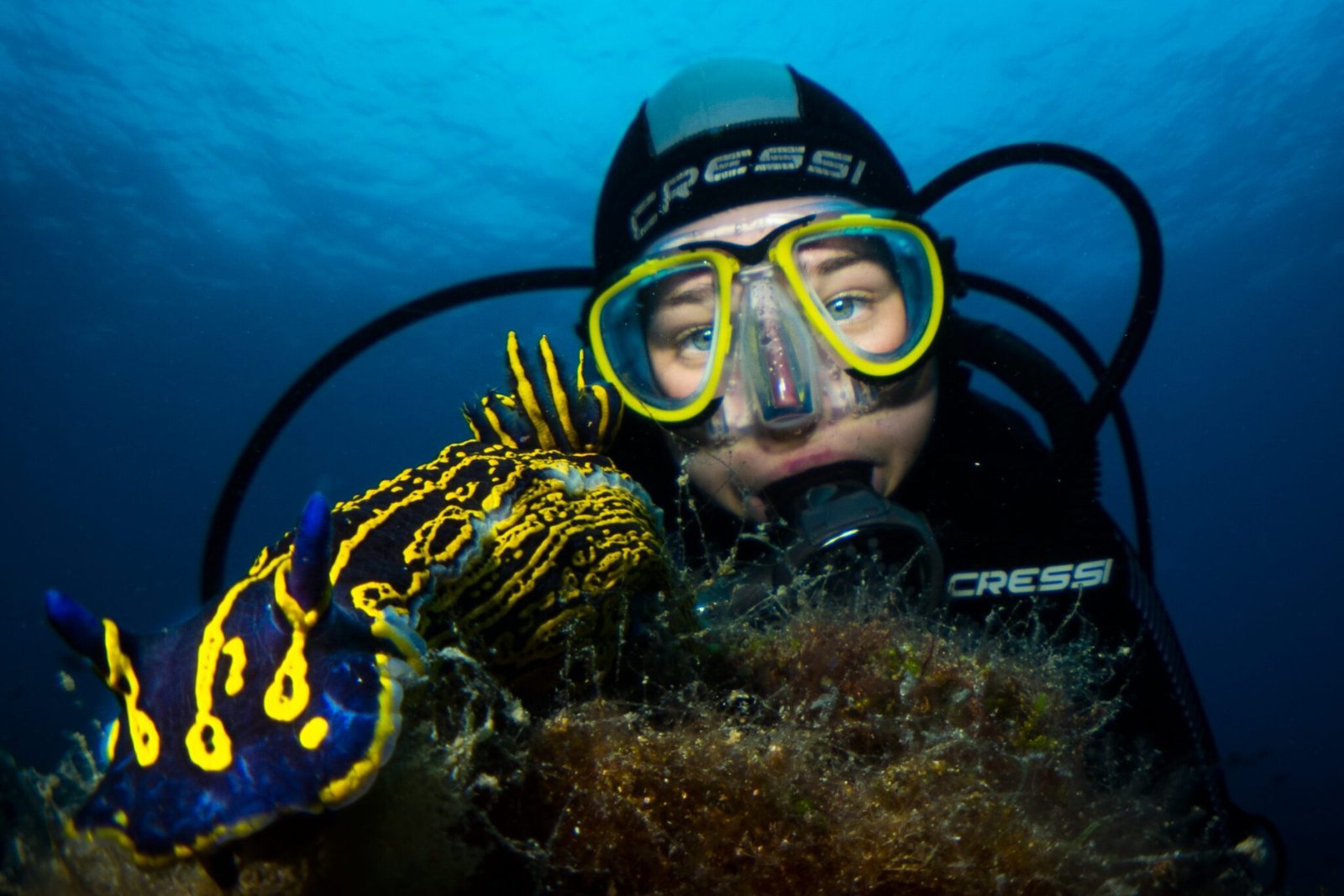
Las Cabras is one of the most interesting dives for divers who enjoy lava landscapes, small caves, arches and Atlantic marine life 🐟. The site has a raw volcanic character that feels very different from softer sandy dive areas.
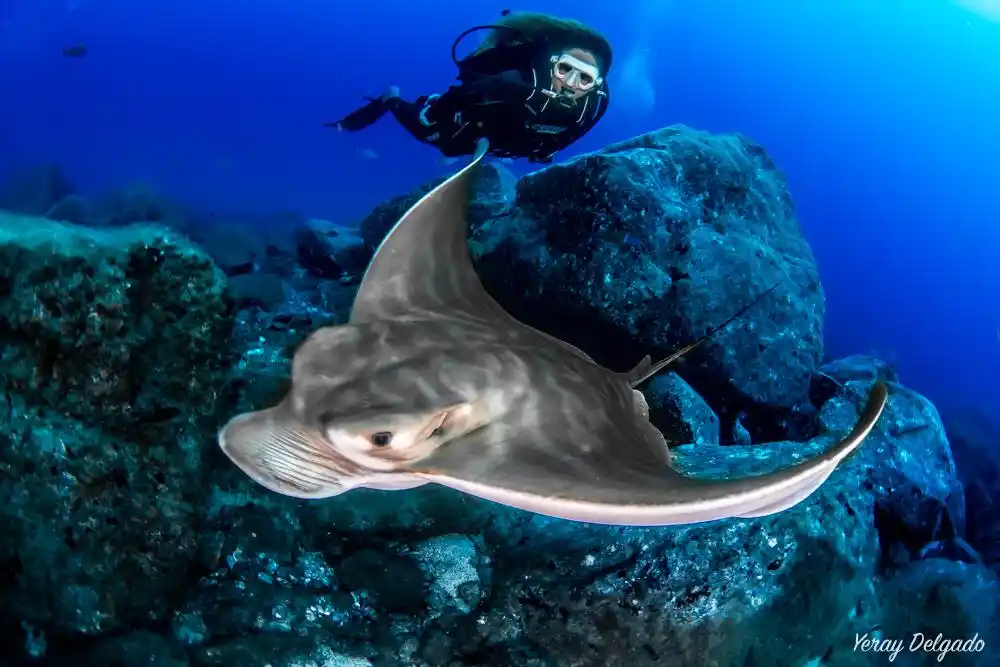
The official La Palma tourism page describes Las Cabras as a reef dive with shore access, marine life interest and possible encounters with rays 🐙. It is a strong choice if you want something scenic and less generic than a simple beach dive.
4. Los Cancajos
Los Cancajos is one of the most useful areas if you want variety and easy logistics 🧭. Depending on the route and conditions, dives can include lava tunnels, small caves, canyons, fish life and deeper options for more confident divers.
The official page for Los Cancajos mentions lava formations, species such as parrotfish and comber, and red gorgonians 🌊. This area is especially practical if you are staying near Santa Cruz or if west-coast conditions are not ideal.
5. Puerto Naos
Puerto Naos is a classic west-coast diving area in La Palma, known for shore diving, volcanic walls and a relaxed underwater atmosphere 🐠. When the sea is calm, it can be a very balanced option for certified divers who want scenery without overcomplicating logistics.
FED has an active page for diving in Puerto Naos, useful if you want to compare this side of the island with Los Cancajos or Santa Cruz before booking 📍.
6. Santa Cruz de La Palma and Los Cancajos
The Santa Cruz de La Palma and Los Cancajos area is one of the most practical choices for divers who want simple logistics, nearby accommodation and flexible dive planning 🌊. It works well for trips where comfort, access and local conditions matter as much as the dive site name.
If you want an active FED landing for this part of the island, check our page for diving in Santa Cruz de La Palma and Los Cancajos 🧭. It is the right internal booking destination for the east side of La Palma.
| Dive site | Best for | Suggested level | Seabed type |
|---|---|---|---|
| Las Cruces de Malpique | Iconic scenery and underwater photography | Certified diver with guide | Volcanic reef and sand |
| Torre de Malpique | Experienced divers | Advanced | Volcanic pinnacle |
| Las Cabras | Lava, marine life and photos | Depends on route | Volcanic reef |
| Los Cancajos | Easy logistics and variety | Beginner certified to intermediate | Lava tunnels and reefs |
| Puerto Naos | West-coast walls and shore diving | Certified diver | Volcanic rock and wall |
| Santa Cruz / Los Cancajos | Comfortable booking and flexible planning | Beginner certified to intermediate | Volcanic coastline |
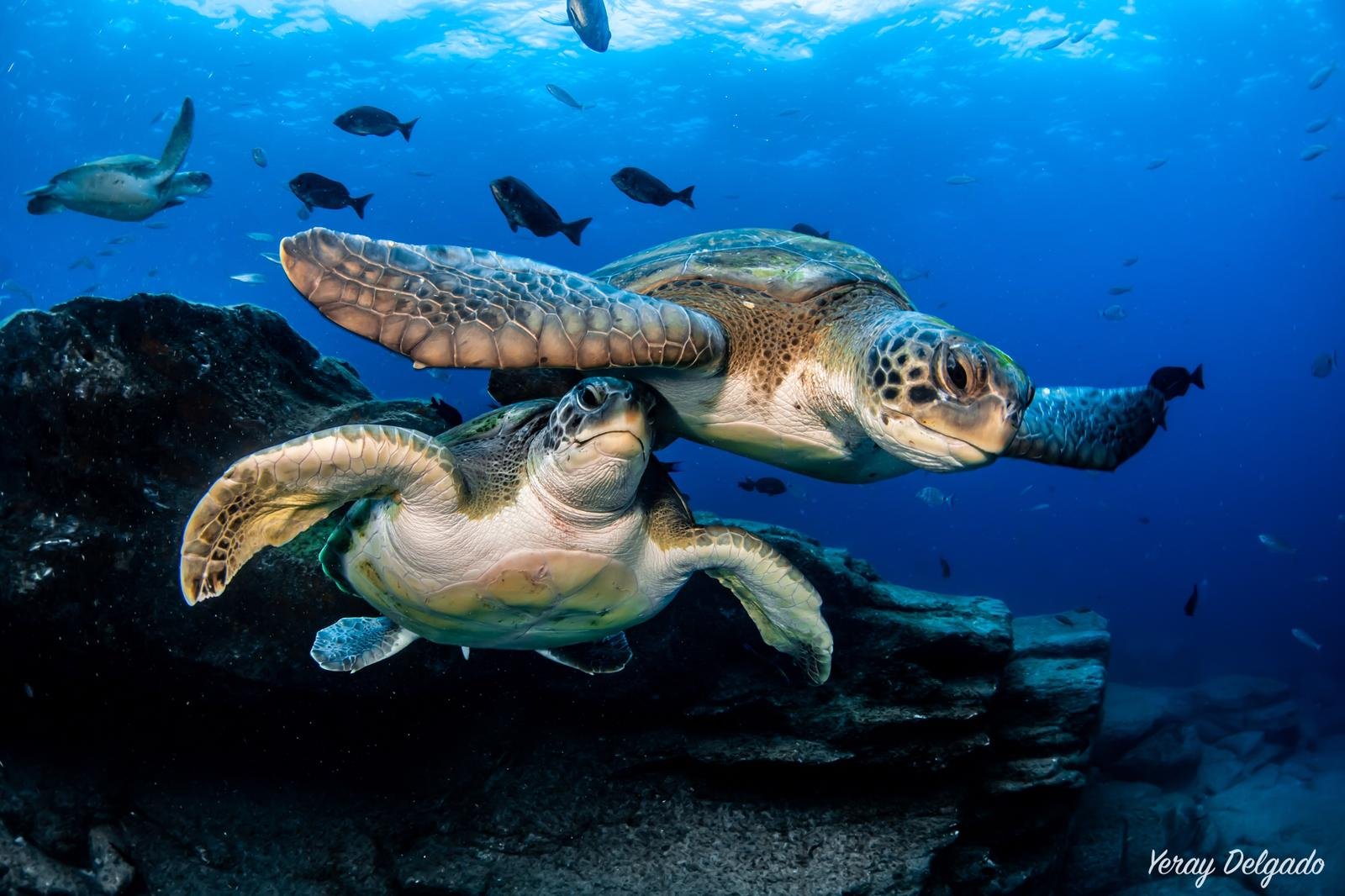
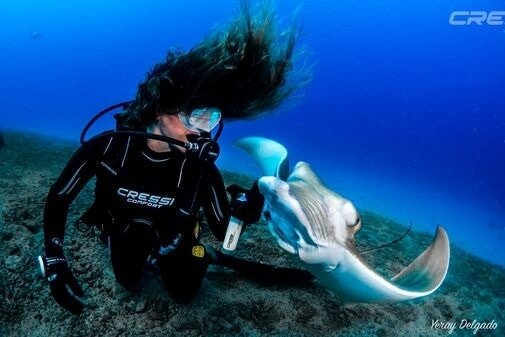
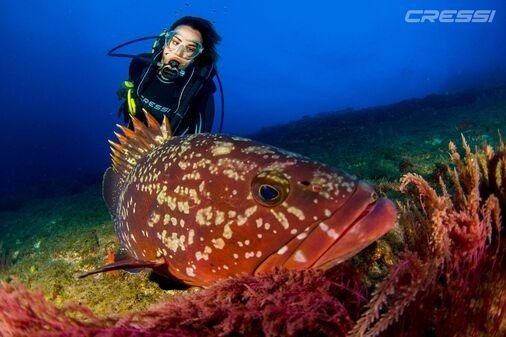
✅ How to choose the right La Palma dive for your level
If you are an Open Water diver or you have not dived for a while, prioritise comfortable entries, moderate depth, calm conditions and a guide who knows the site 🌊. Los Cancajos, some Puerto Naos routes and Las Cruces de Malpique in good conditions can make more sense than chasing a deeper site.
If you are Advanced certified, comfortable with buoyancy and recently active, you can consider more vertical or deeper dives such as Torre de Malpique 🤿. Still, depth alone does not make a dive better. The best dive is the one that matches your skills, your comfort level and the sea that day.
If you are not certified yet, use this article as inspiration rather than a booking checklist 🐠. Many of these dives are for certified divers, so you may want to start with a Discover Scuba Diving experience in La Palma or with the Open Water Diver course.
FED tip: do not ask only which dive site is the prettiest. Ask about sea state, current, visibility, maximum depth, guide-to-diver ratio, insurance, equipment condition and your real level 🧭. A good local dive centre adapts the dive to the diver, not the other way around.
If you want to book through an active FED landing in La Palma, the clearest internal options are Puerto Naos and Santa Cruz de La Palma / Los Cancajos 📍. Malpique is included here as a recommended dive site, but not as a FED booking landing.
❓ FAQ about the best dives in La Palma
What is the most famous dive in La Palma?
Las Cruces de Malpique is one of the most famous dives because of its underwater crosses, volcanic landscape and distinctive atmosphere 🌋.
Can beginners dive in La Palma?
Yes, but it depends on whether you mean a first diving experience or certified beginner dives 🤿. New certified divers should choose protected, moderate-depth sites with a local guide.
What is the best diving area in La Palma?
Fuencaliente is strong for Malpique and Las Cabras, while Los Cancajos, Puerto Naos and Santa Cruz are very useful for logistics, flexibility and varied conditions 🌊.
Where can I book diving in La Palma with FED?
The current active FED landing pages for La Palma focus on Puerto Naos and Santa Cruz de La Palma / Los Cancajos 📍. Those are the recommended internal booking destinations.
Do I need diving insurance in La Palma?
You should confirm the insurance requirements before booking 🧾. For general recreational diving safety guidance, DAN Europe is also a useful authority: DAN Europe.
What happens if the sea is rough?
The dive centre may change the site, delay the dive or cancel for safety ⚠️. On a volcanic island like La Palma, having an alternative area can make a big difference.
Is Malpique suitable for every diver?
Las Cruces de Malpique can be suitable for many certified divers in good conditions, but Torre de Malpique is more demanding 📍. The final choice depends on certification, recent experience and sea conditions.
If you want help choosing the right area, contact us through FED contact and we will help you compare zones, local centres and suitable options before you book 🌊.
I’m Esteban, a diver and the person behind Family Elite Divers.
Tell me your skill level, your dates, and where you’d like to dive, and I’ll help you choose the experience that best suits you.
Do you have any questions before booking? Write to me, and I’ll give you personalized guidance.