Volcanic Diving in La Palma: lava seabeds, formations and unique landscapes
Discover volcanic formations, lava seabeds and unique underwater landscapes in La Palma.
Volcanic Diving in La Palma: lava seabeds, formations and unique landscapes
Discover volcanic formations, lava seabeds and unique underwater landscapes in La Palma.
Home » Volcanic Diving in La Palma: lava seabeds, formations and unique landscapes
🌋 Why volcanic diving in La Palma feels so different
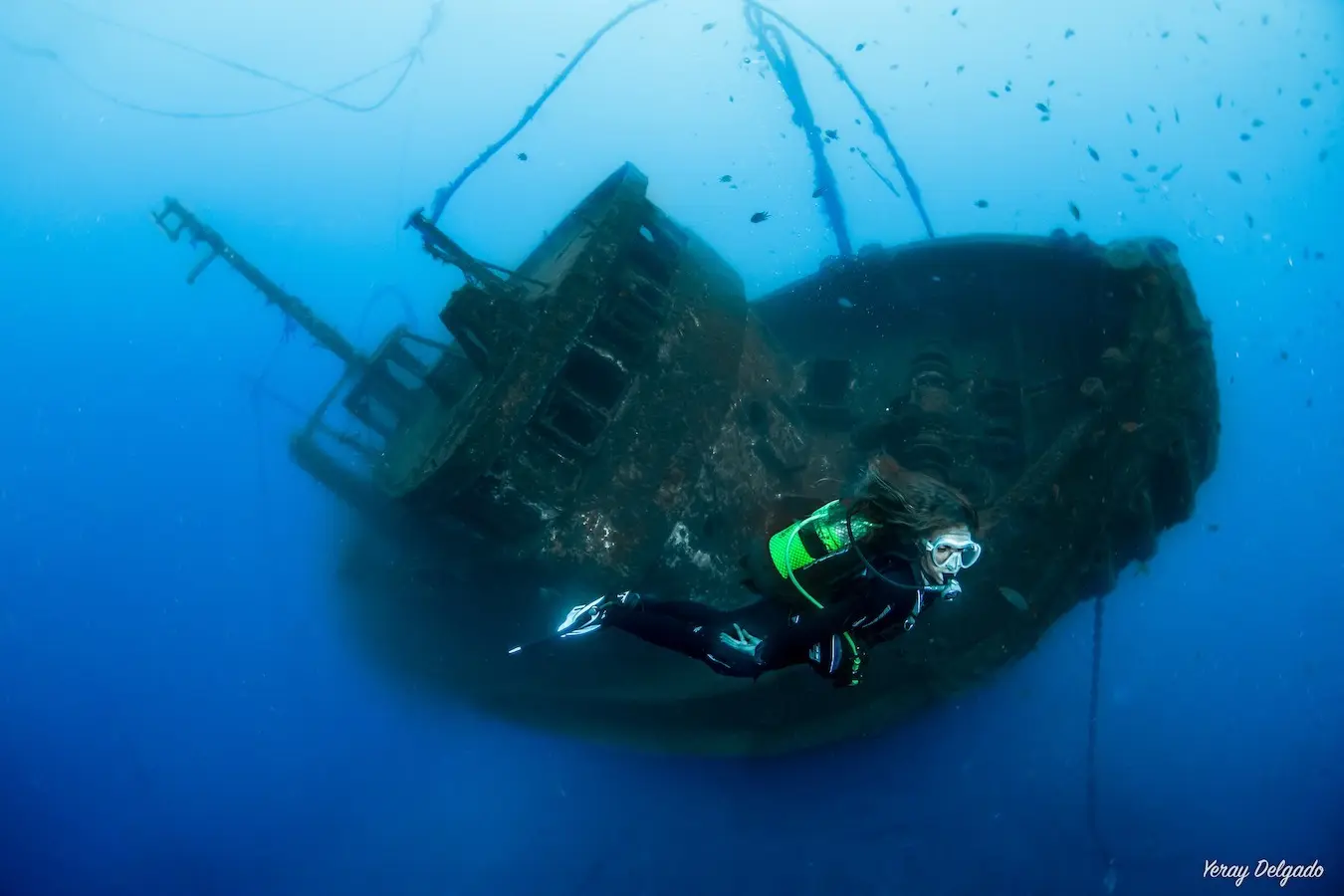
Volcanic diving in La Palma stands out for its lava seabeds, dark rock walls, pinnacles, cracks, black sandy areas and underwater relief that feel very different from coral or white-sand destinations 🤿. The island has a strong volcanic identity, and that character continues below the surface.
Quick Answer: Diving on La Palma’s volcanic seabeds means exploring black rock, lava formations, walls, rock pinnacles, cracks and high-contrast underwater landscapes. It is ideal for divers who enjoy scenery, underwater photography and a different type of dive environment.
This type of diving is not only about seeing specific marine life, but about experiencing a geological underwater landscape, where volcanic rock creates routes, shelters, light contrasts and very recognizable shapes 🌋. For many divers, that mix of scenery and marine life is what makes La Palma special.
Family Elite Divers does not operate dives directly; we work as a reservation platform helping travelers connect with selected local partner centers 🐠. You can see the full process in how Family Elite Divers works.
If you are still comparing islands or areas, you can explore our diving destinations before deciding where to book 🌍.
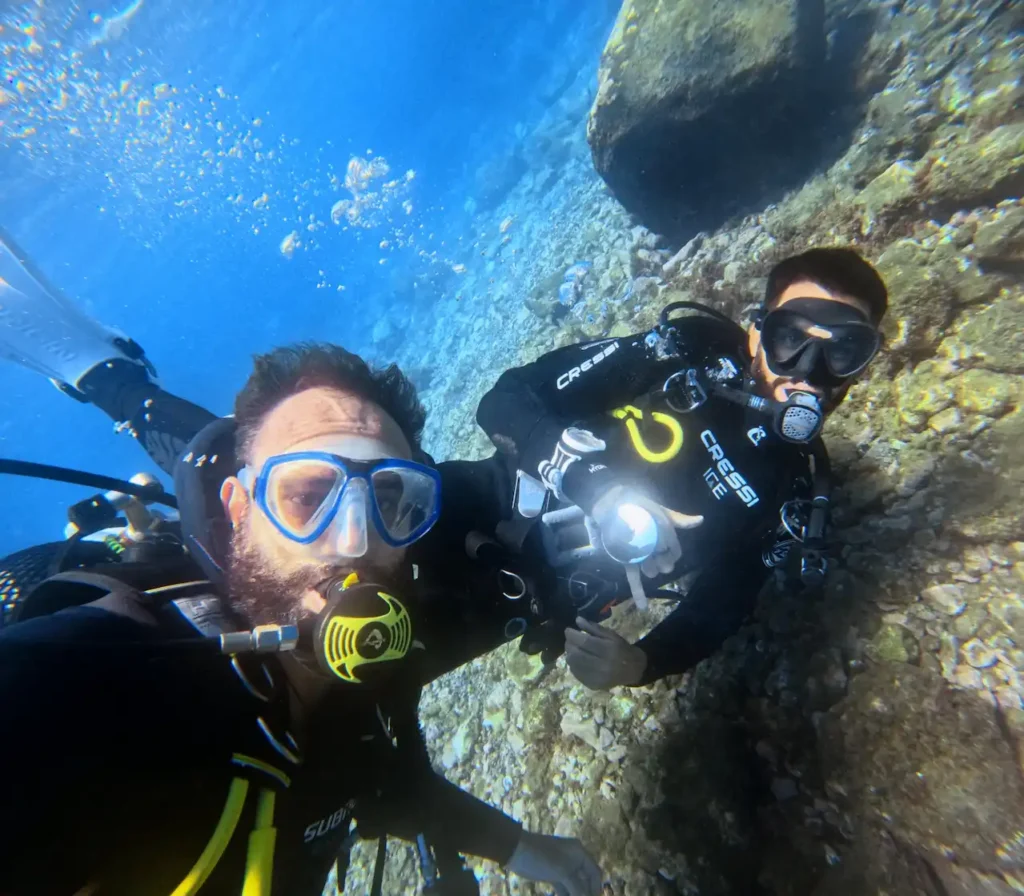
🐟 What you can find on volcanic seabeds
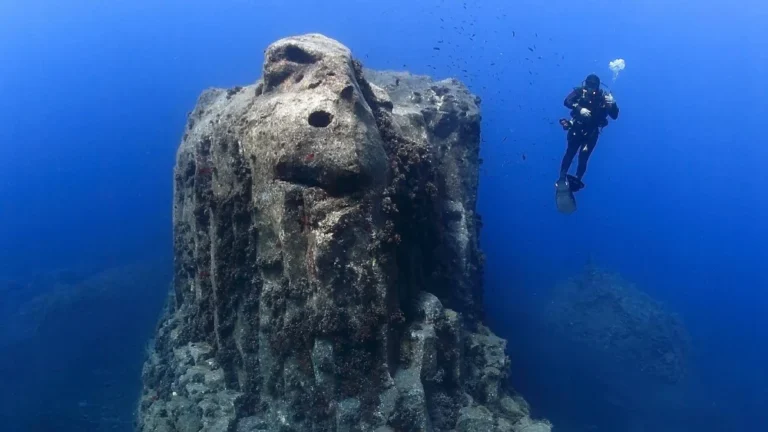
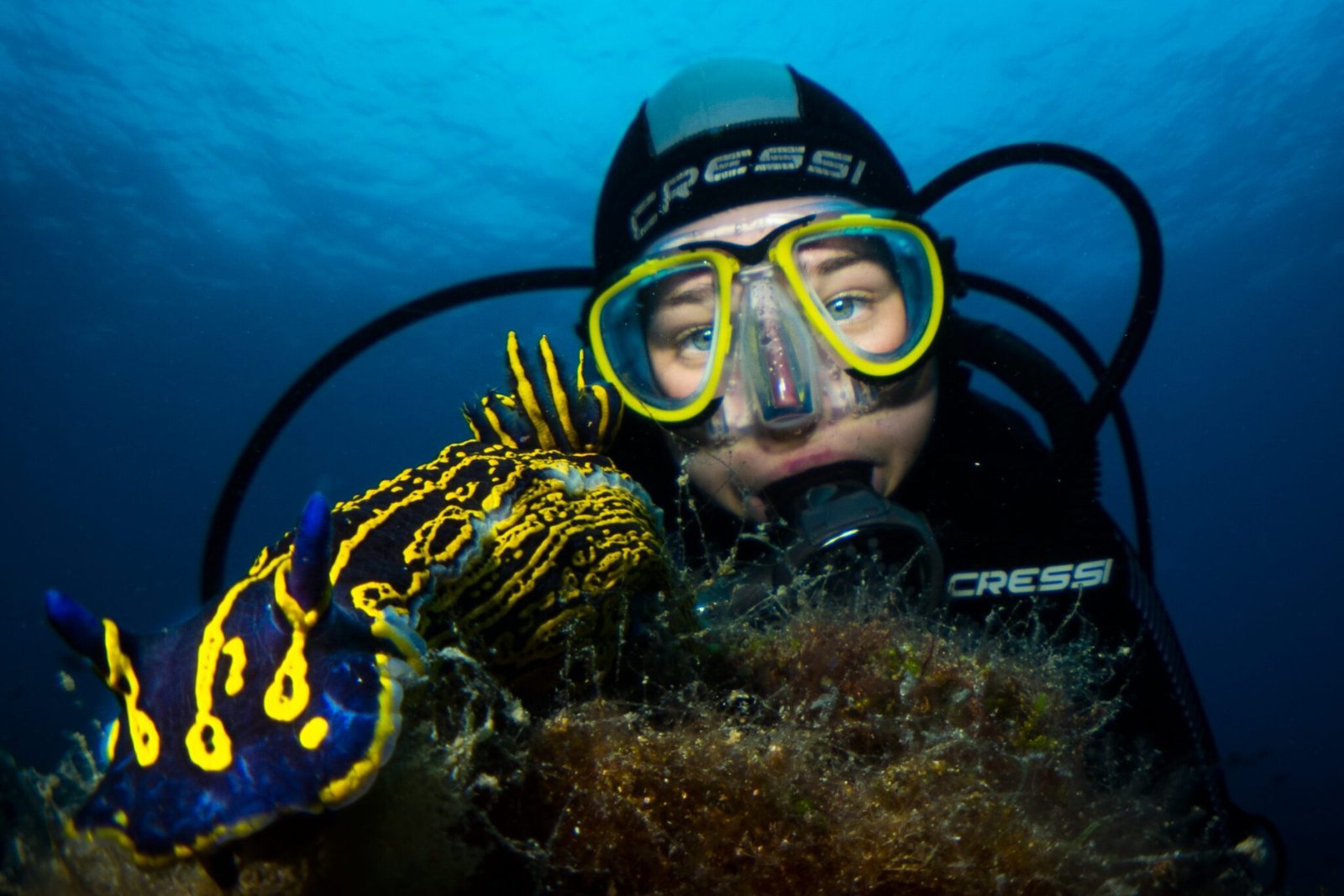
The appeal of volcanic diving is not only the rock itself, but how it creates shelters, contrasts, passages, cracks and marine-life areas 😊. Many animals use these formations for protection, especially around holes and rocky areas.
Volcanic walls
What they add: relief, gradual depth and a strong underwater landscape feeling.
Best for: divers who enjoy topography.
What they add: relief, gradual depth and a strong underwater landscape feeling.
Best for: divers who enjoy topography.
Pinnacles and lava formations
What they add: very photogenic underwater structures.
Best for: photography and dives with character.
What they add: very photogenic underwater structures.
Best for: photography and dives with character.
Cracks and holes
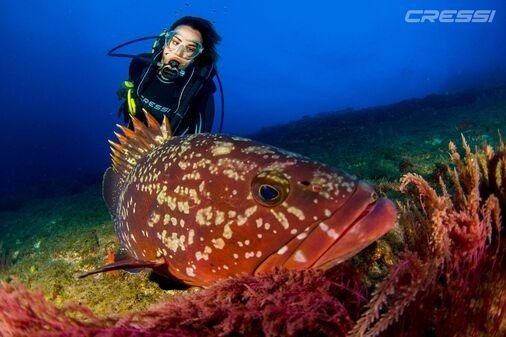
What they add: shelter for moray eels, octopus and rock-dwelling fish.
Best for: slow marine-life observation.
What they add: shelter for moray eels, octopus and rock-dwelling fish.
Best for: slow marine-life observation.
Dark sandy areas
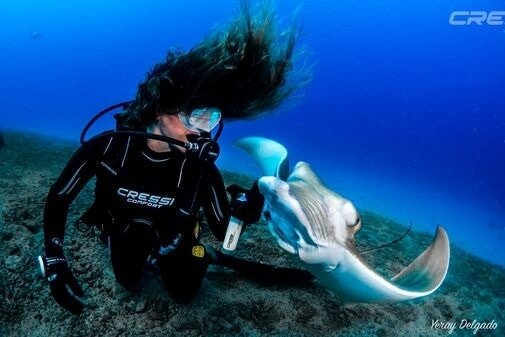
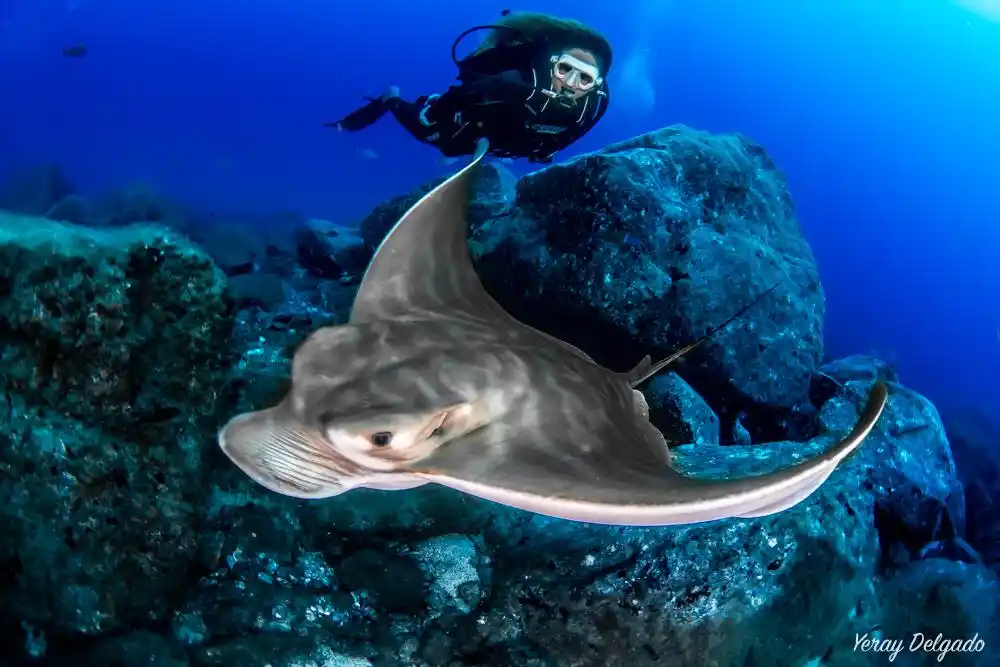
What they add: contrast with volcanic rock and possible rays or bottom species.
Best for: relaxed dives and mixed seabeds.
What they add: contrast with volcanic rock and possible rays or bottom species.
Best for: relaxed dives and mixed seabeds.
In areas such as Puerto Naos, the volcanic landscape is often one of the main reasons divers choose the west coast of La Palma 🌋. You can check the page about diving in Puerto Naos to compare this area.
On the east coast, Santa Cruz de La Palma and Los Cancajos also offer rocky seabeds and interesting routes for different diver profiles 🏝️. You can review it on the page for diving in Santa Cruz de La Palma and Los Cancajos.
FED Tip: if you are looking for volcanic diving, do not choose only by the name of the site. Ask what type of seabed is expected, how deep the dive may be and whether the route fits your real level.
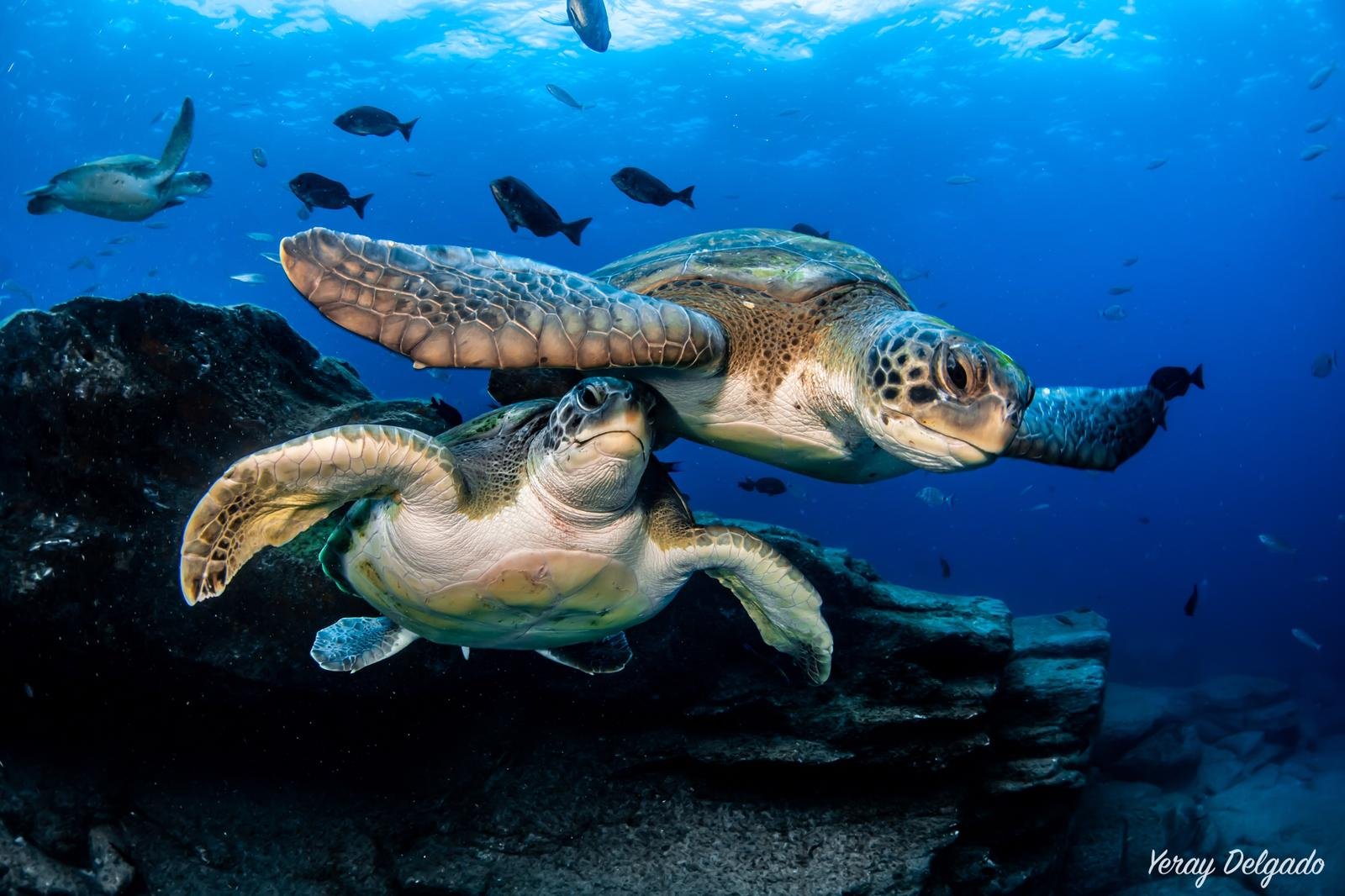
✅ Recommended level and best areas to enjoy it
The underwater landscape of La Palma can be enjoyed at different experience levels 💡. Some volcanic routes are relatively easy, while others may require better buoyancy control, recent experience or comfort with depth.
What to consider before booking
- Buoyancy control: important to avoid touching the seabed or stirring sediment.
- Visibility: helps you enjoy walls, pinnacles and volcanic relief.
- Depth: not all volcanic landscapes are found at the same depth.
- Sea conditions: swell and current can change the planned site.
- Dive objective: scenery, wildlife, photography or a relaxed route.
If you are interested in a highly recognizable dive with scenery and symbolism, read our guide to diving in Malpique 🤿. For a broader overview of areas and dive options, you can also read our guide to scuba diving in La Palma.
What you should remember
- Typical seabed: volcanic rock, solidified lava, dark sandy areas and abrupt relief.
- Why it is special: visual contrast, underwater formations and a strong geological feeling.
- Best for: divers looking for scenery, rock-dwelling marine life and photography.
- Interesting areas: Puerto Naos, Santa Cruz/Los Cancajos, Malpique and other sites depending on conditions.
- Important: the final dive site always depends on sea conditions, visibility and group level.
❓ Frequently Asked Questions
What is volcanic diving?
It means diving in areas where the seabed is formed by volcanic rock, solidified lava, cracks, pinnacles, walls and dark sandy areas.
Is La Palma good for volcanic seabeds?
Yes. La Palma is a volcanic island, and many of its dive sites show underwater relief of volcanic origin.
Do you need a lot of experience?
It depends on the site. Some dives can be easy, while others require certification, good buoyancy and comfort with depth.
Can beginners experience volcanic diving?
It may be possible at adapted sites, as long as the authorized local center considers conditions and participant profile suitable.
What marine life can you see on volcanic seabeds?
You may see moray eels, octopus, rock fish, parrotfish, salemas, trumpetfish, rays on sandy areas and schools of fish, although sightings are never guaranteed.
To continue comparing options before booking, visit the main page for diving in La Palma and our guide to La Palma marine life 🐠.
I’m Esteban, a diver and the person behind Family Elite Divers.
Tell me your skill level, your dates, and where you’d like to dive, and I’ll help you choose the experience that best suits you.
Do you have any questions before booking? Write to me, and I’ll give you personalized guidance.