What Can You See on a Discover Scuba Dive? Fish, Marine Life and First-Dive Surprises
Marine life, realistic expectations and first-dive tips before your first scuba experience
What Can You See on a Discover Scuba Dive? Fish, Marine Life and First-Dive Surprises
Marine life, realistic expectations and first-dive tips before your first scuba experience
Home » What Can You See on a Discover Scuba Dive? Fish, Marine Life and First-Dive Surprises
🤿 What can you see on a Discover Scuba Dive?
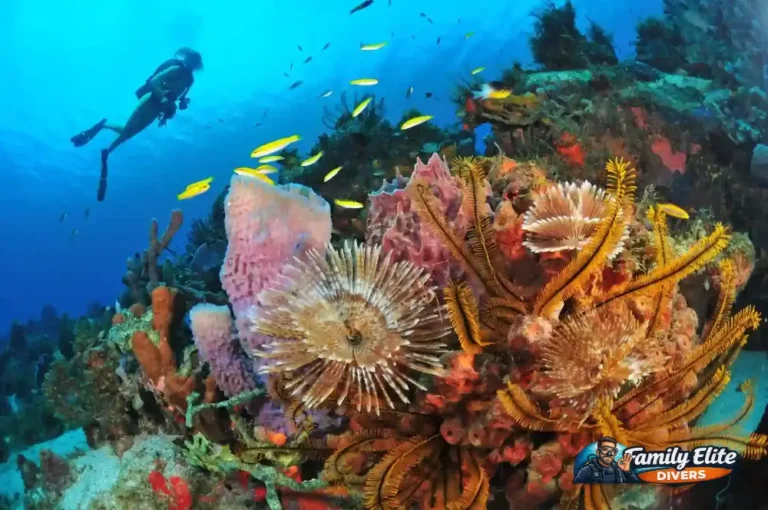
One of the most exciting questions before trying scuba is what can you see on a Discover Scuba Dive. You do not need to go deep to enjoy the underwater world. In many beginner-friendly areas of the Canary Islands, you may see schools of fish, volcanic rocks, anemones, sea urchins, starfish, colourful reef fish and small animals hiding between cracks. 🤿
The most important thing is to keep expectations realistic. A Discover Scuba Dive is not designed to chase big animals or reach advanced depths. It is designed to help you experience breathing underwater, moving slowly, observing nearby marine life and feeling safe with an instructor. 🌊
Quick answer: on a Discover Scuba Dive, you may see schools of fish, damselfish, seabream, parrotfish, salema, anemones, sea urchins, starfish, sponges, small crabs, octopus or moray eels depending on the area. Rays, turtles or angel sharks may appear in some places, but wildlife is never guaranteed. ✅
At Family Elite Divers, we help travellers find and book Discover Scuba Diving experiences with selected local dive centers and authorised partner centers. We do not choose only by the prettiest photo: we consider area, sea conditions, beginner support, small groups, safety, briefing quality and whether the dive is likely to feel calm and enjoyable. You can see the process on How Family Elite Divers works. 🧭
The best part is often the small details
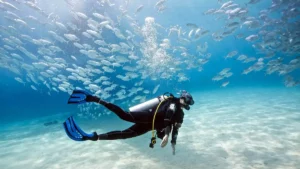
For many beginners, the most memorable part is not one “star animal”. It is noticing that the sea is full of life: fish moving around you, anemones reacting to the current, black volcanic rocks, tiny caves, schools of fish and colours you would never see from the surface. 📸
If you are still choosing where to try scuba, start with our scuba diving destinations. For a broader island-level overview, read diving in the Canary Islands. 🌍
🐠 Common marine life on a first scuba dive
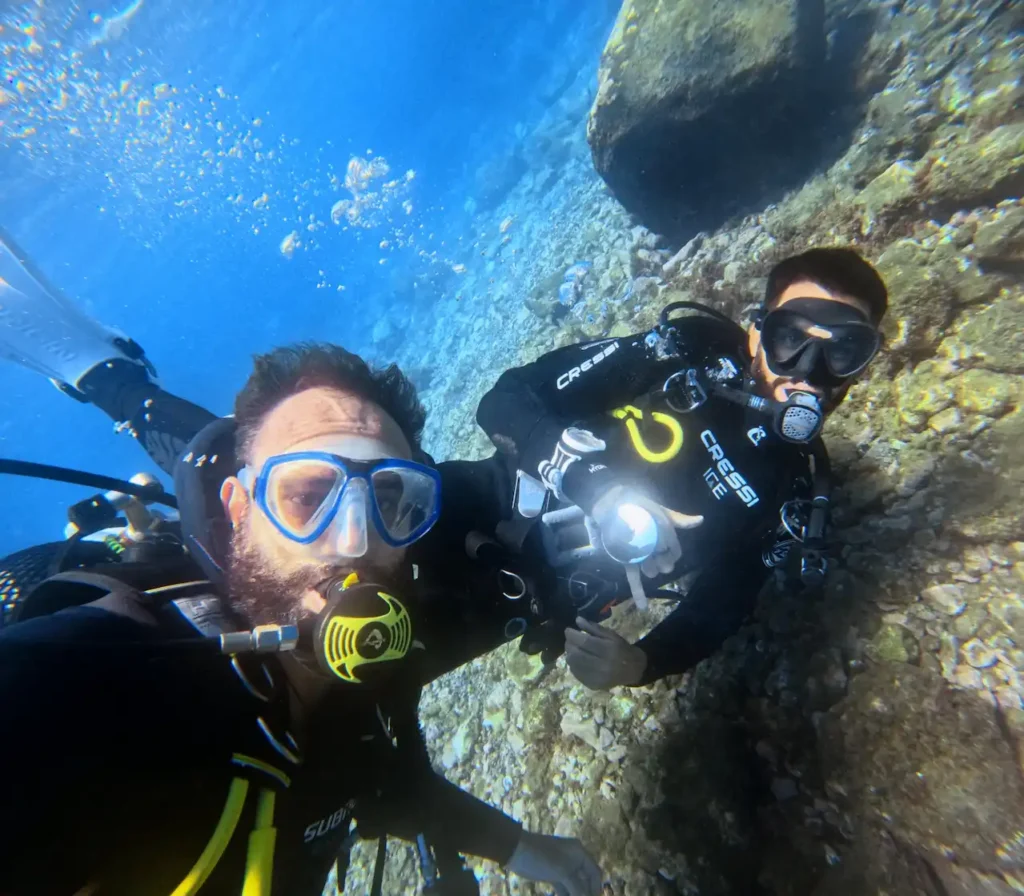
A Discover Scuba Dive usually takes place in a controlled, beginner-friendly area at shallow depth. That means you are more likely to enjoy nearby marine life, easy reef sections, fish schools and small details than deep-water encounters. You do not need depth to feel impressed. 🔎
Schools of fish
This is one of the most visual first-dive moments. Seeing fish move together can feel completely different from swimming or snorkelling. 🐟
What you may notice: movement, reflections, sudden direction changes and the feeling of being inside another world. ✅
Reef fish
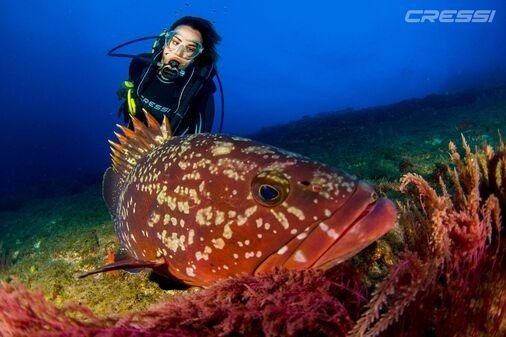
Damselfish, seabream, salema, parrotfish, wrasse or trumpetfish may appear depending on the island and dive area. 🌊
What you may notice: some fish swim close, while others stay around volcanic rocks or hide in cracks. 📋
Anemones and fixed life
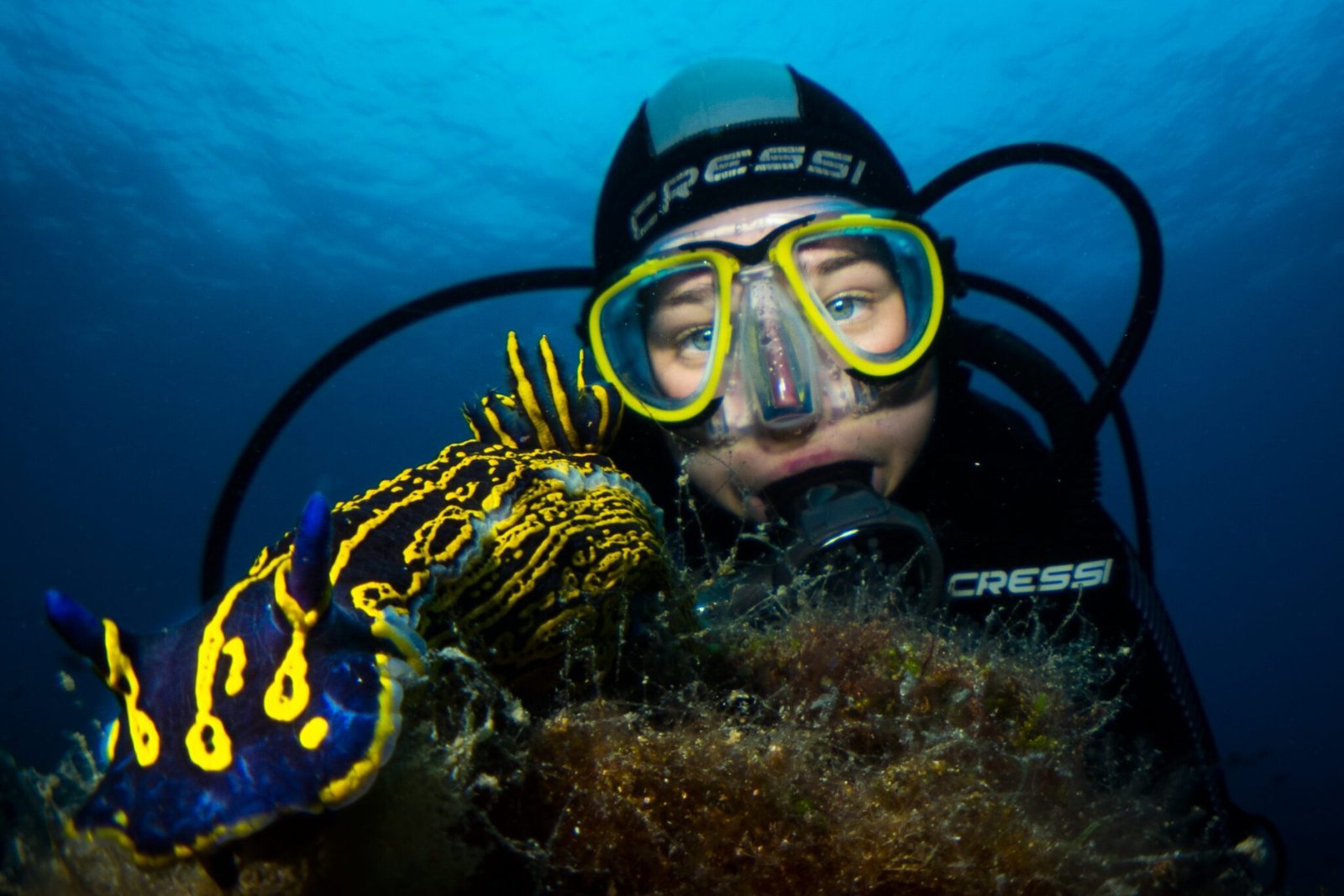
Anemones, sponges, sea urchins and starfish are perfect for a calm first dive because you can observe them without chasing wildlife. 🌺
What you may notice: colours, textures and tiny movements that are easy to miss from the surface. 👀
Hidden surprises
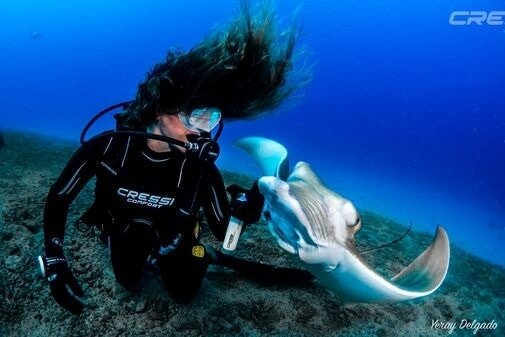
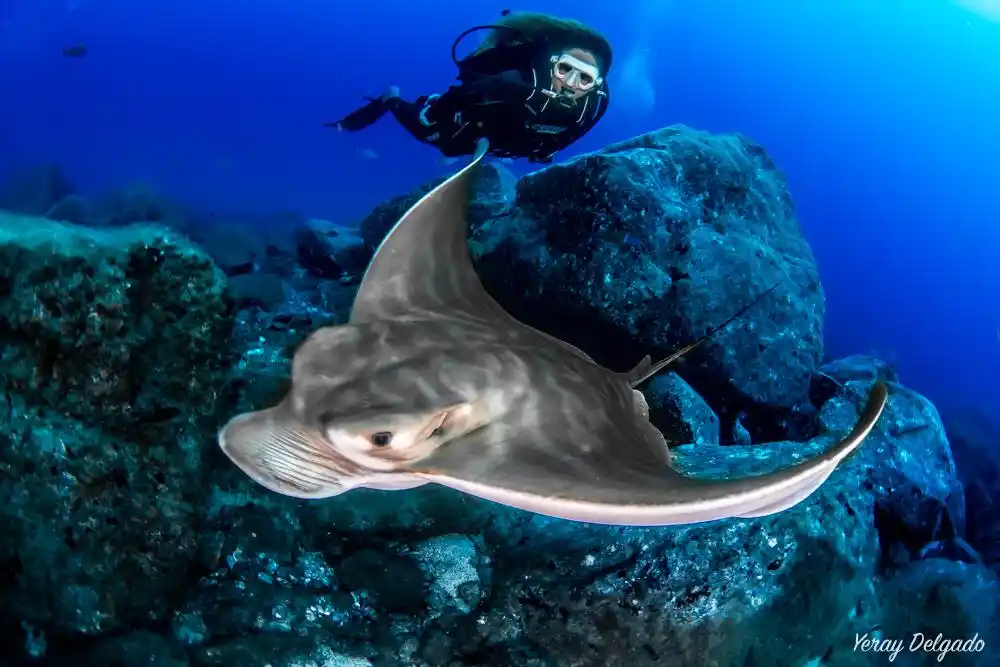
Octopus, moray eels, small crabs, cuttlefish or rays can appear, but it depends on the site, season and luck. 🐙
What you may notice: instructors often spot details that beginners would never find alone. 🧭
Can you see turtles, rays or larger animals?
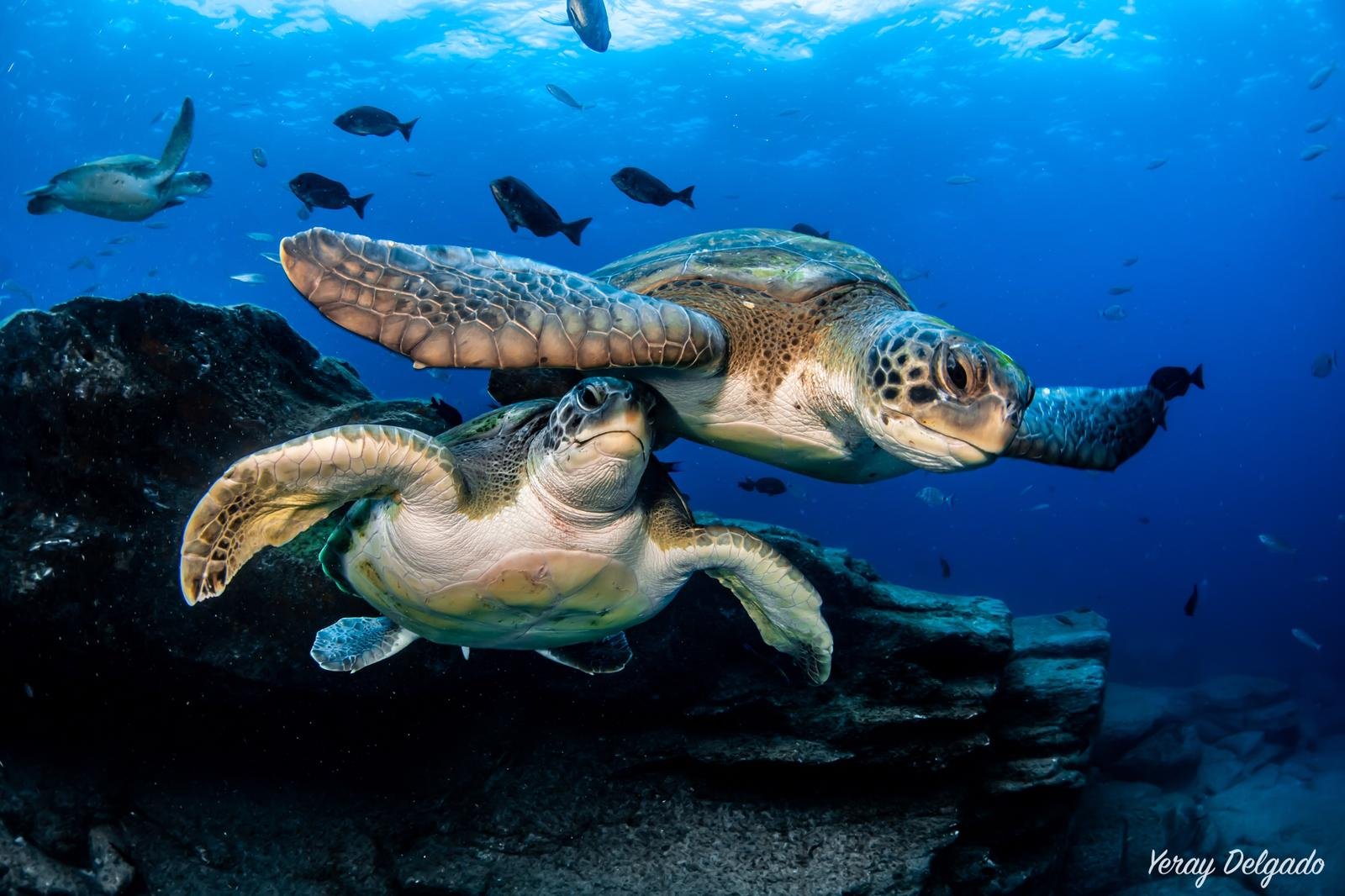
In some Canary Islands dive areas, you may encounter rays, turtles, angel sharks or other larger animals. However, a responsible Discover Scuba Dive should never be sold as a guaranteed wildlife show. Marine animals move freely, and sightings depend on the day, the site and the conditions. 🐢
If your main interest is biodiversity, continue with our guide to marine life in the Canary Islands. This article is more specific: it focuses on what a beginner may realistically see during a first shallow scuba experience. 🐠
Volcanic scenery is part of the experience
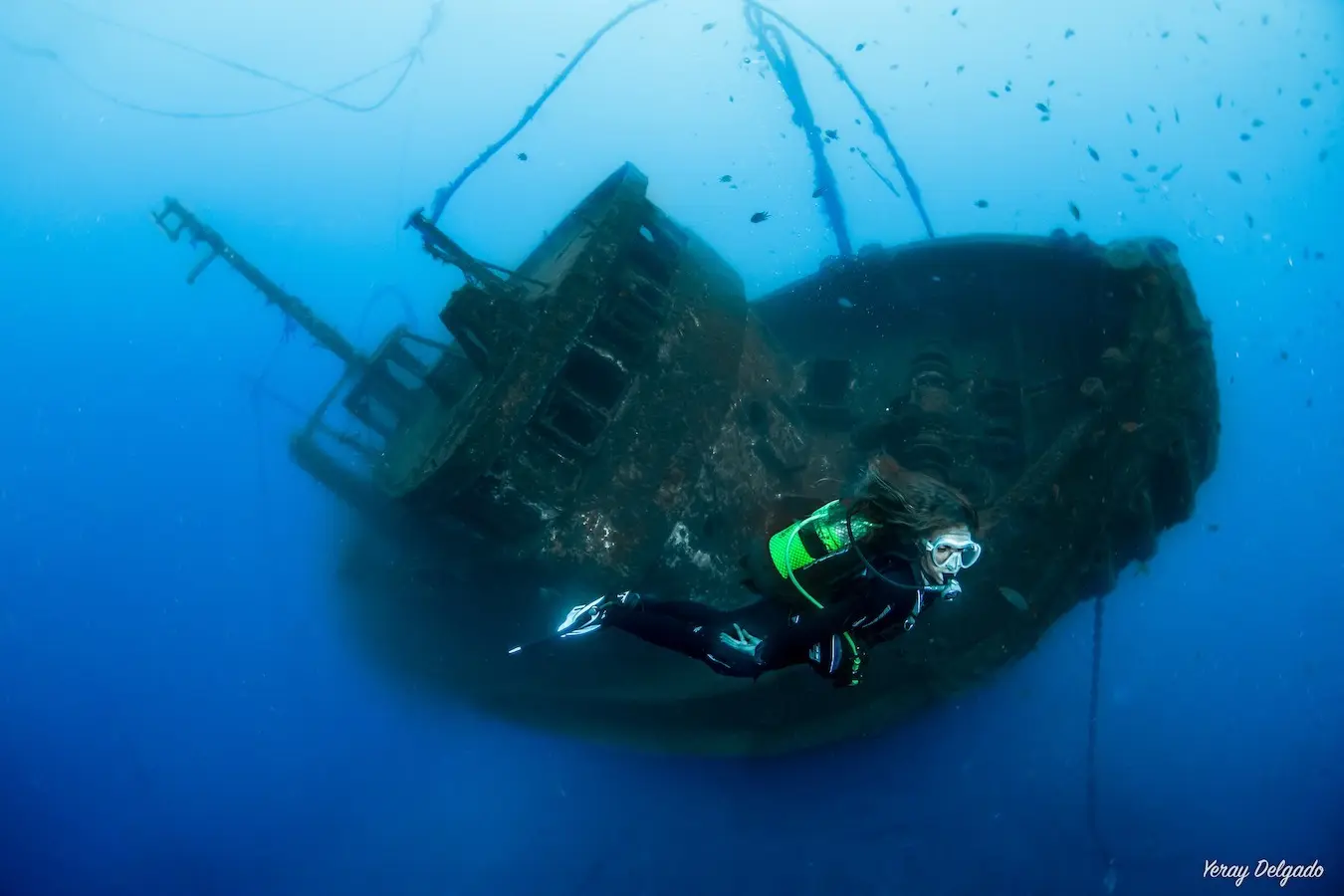
Marine life is not the only thing to enjoy. In the Canary Islands, a first dive can also introduce you to volcanic rocks, small cracks, simple swim-through shapes, black sand, light changes and underwater landscapes that feel very different from the beach above. 🌋
FED tip: to enjoy what you see, do not touch, chase or feed marine animals. Move slowly, listen to your instructor and let wildlife approach naturally if it wants to. On a Discover Scuba Dive, calm movement usually creates better encounters than excitement or rushing. ✅
🧭 Where to enjoy marine life on your first dive
What you can see on a Discover Scuba Dive depends on the island, the specific area and the sea conditions of the day. The best beginner sites usually combine safe access, calm conditions, decent visibility, interesting shallow reefs and dive centres used to first-time divers. 📋
Discover Scuba Diving in Tenerife
Tenerife is often a very practical choice for beginners because it offers several areas, strong logistics and dive centres used to first-time experiences. In suitable sites, you may enjoy schools of fish, volcanic rocks, reef life and small animals hiding between stones. If you are comparing options, read Discover Scuba Diving in South Tenerife. 🤿
Discover Scuba Diving in La Palma
La Palma can be a beautiful choice if you like volcanic scenery, quieter travel and a first dive that feels less crowded. Areas around Santa Cruz de La Palma and Los Cancajos may work well depending on the conditions. You can continue with Discover Scuba Diving in La Palma. 🌋
Los Cancajos and easy shallow areas
For a first dive, the most famous site is not always the best option. Often, the better choice is a place with easy entry, shelter, little current and marine life close to the shore. If you are looking at La Palma, check best dives in Los Cancajos and Santa Cruz de La Palma. 📍
Quick summary
- Most common: schools of fish, damselfish, seabream, salema, parrotfish and small reef fish. 🐟
- Beautiful details: anemones, sea urchins, starfish, sponges, black sand and volcanic rocks. 🌺
- Possible surprises: octopus, moray eels, cuttlefish, rays or turtles, depending on the site and day. 🐙
- No guaranteed sightings: marine life is wild and changes from dive to dive. ✅
- To enjoy more: move slowly, breathe calmly and follow your instructor. 🤿
- Best choice: a safe site, experienced centre and calm conditions. 🧭
What you should not expect from a Discover Scuba Dive
A Discover Scuba Dive is not a deep dive, a wildlife chase or a guarantee of seeing turtles, rays or octopus. It is a first underwater experience designed to help you discover how scuba feels, how breathing underwater works and what marine life appears in a safe, shallow area. 🌊
❓ FAQs about what you can see on a Discover Scuba Dive
What animals can you see on a Discover Scuba Dive?
You may see schools of fish, damselfish, seabream, salema, parrotfish, anemones, sea urchins, starfish and small rock-dwelling animals. 🐠
Can you see turtles on a Discover Scuba Dive?
It can happen in some areas, but it should never be guaranteed. Turtles and other marine animals move freely. 🐢
Do you need to go deep to see fish?
No. Many Discover Scuba Dives can show interesting marine life at shallow depth, especially around rocky or volcanic areas. 🤿
Will the instructor point out marine life?
Usually yes. The instructor or guide helps you notice fish, anemones, formations and small details that beginners may miss. 👀
Which island is best for seeing marine life on a first dive?
It depends on the site and conditions. Tenerife and La Palma can both work well when the chosen area is suitable for beginners. 🌊
Can Family Elite Divers help me choose an area?
Yes. Family Elite Divers is a booking support service. We help you compare authorised partner centres based on your level, dates and first-dive goals. 🧭
If you want to try scuba and hope to see marine life, tell us your island, dates, whether it is your first time, how confident you feel in the water and what kind of experience you want. We can help you choose a realistic, safe and beautiful option before booking. 📩
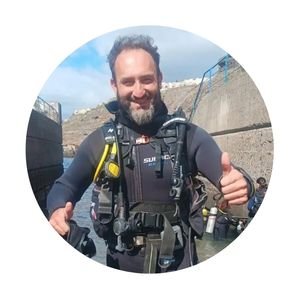
I’m Esteban, a diver and the person behind Family Elite Divers.
Tell me your skill level, your dates, and where you’d like to dive, and I’ll help you choose the experience that best suits you.
Do you have any questions before booking? Write to me, and I’ll give you personalized guidance.
🔗 Related articles to prepare your Discover Scuba Dive
If you are imagining your first underwater experience, these guides will help you understand what you may see and where to book. 🤿
- Discover Scuba Diving: what it is, price and best places — complete beginner guide to your first dive. 🤿
- Marine life in the Canary Islands — fish, rays, turtles and underwater life around the islands. 🐠
- Discover Scuba Diving in South Tenerife — areas, prices and tips for beginners. 🌊
- Discover Scuba Diving in La Palma — first dive, prices and where to try it. 🌋
- Is Discover Scuba Diving safe? — risks, supervision and beginner advice before booking. ✅