How deep do you go on a Discover Scuba Dive and why deeper is not always better
Your first dive should feel calm, controlled and safe before anything else.
How deep do you go on a Discover Scuba Dive and why deeper is not always better
Your first dive should feel calm, controlled and safe before anything else.
Home » How Deep Do You Go on a Discover Scuba Dive?
If you are thinking about trying scuba diving for the first time, it is normal to wonder how deep you will actually go and whether that depth is safe for a beginner. 🤿 The short answer is simple: a Discover Scuba Dive is not about going deep; it is about breathing underwater safely, staying relaxed and enjoying your first real scuba experience.
Quick answer: most beginner Discover Scuba Diving experiences are done at a shallow, comfortable depth, often around 3 to 6 metres. In open water, some programmes may allow a maximum depth of 12 metres / 40 feet, but you do not have to go that deep. The final depth depends on your instructor, the sea conditions, the dive site and how comfortable you feel underwater.
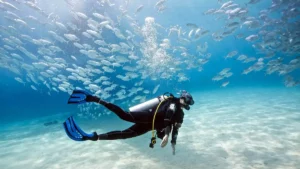
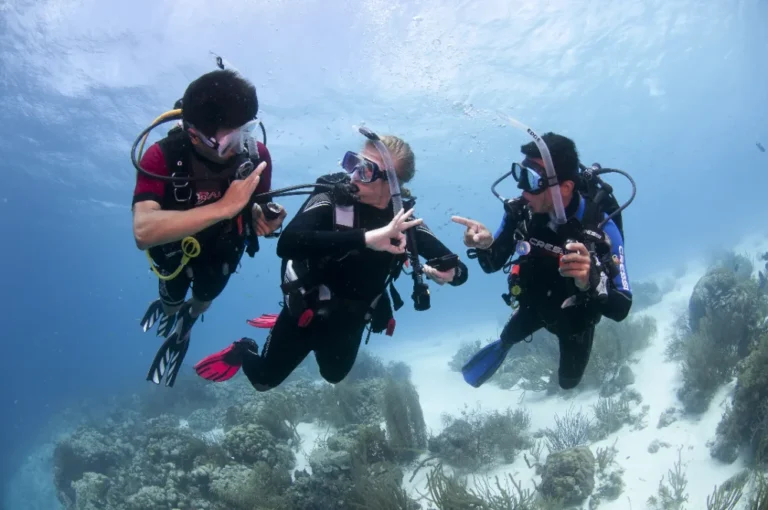
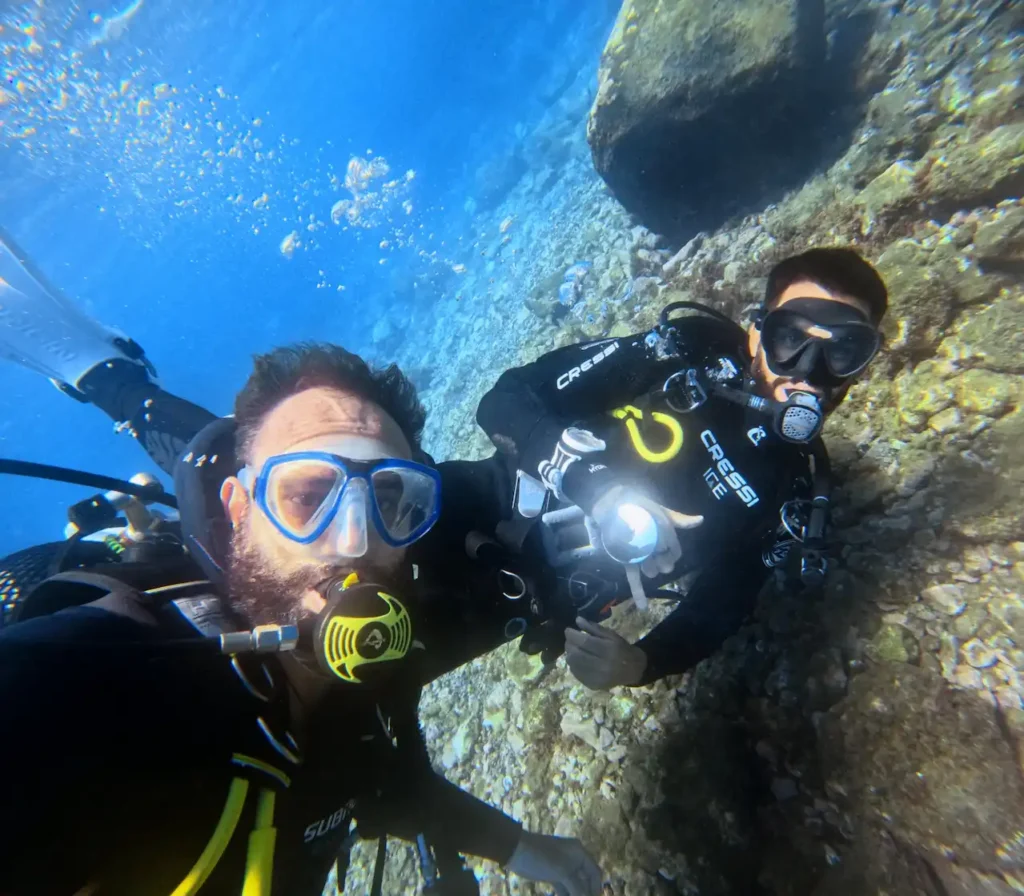
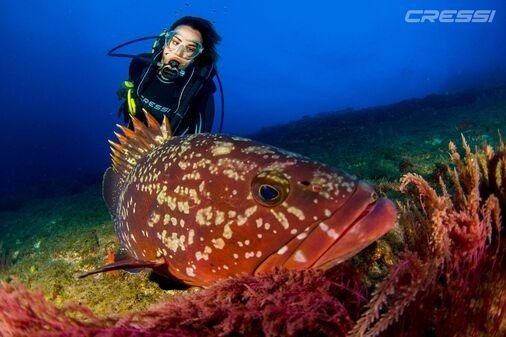
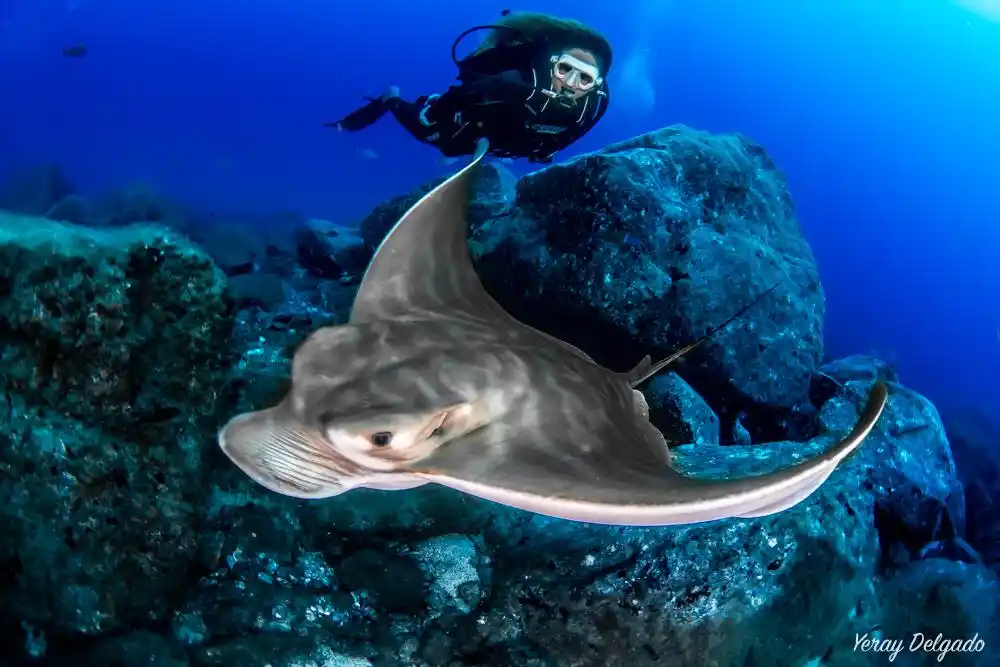
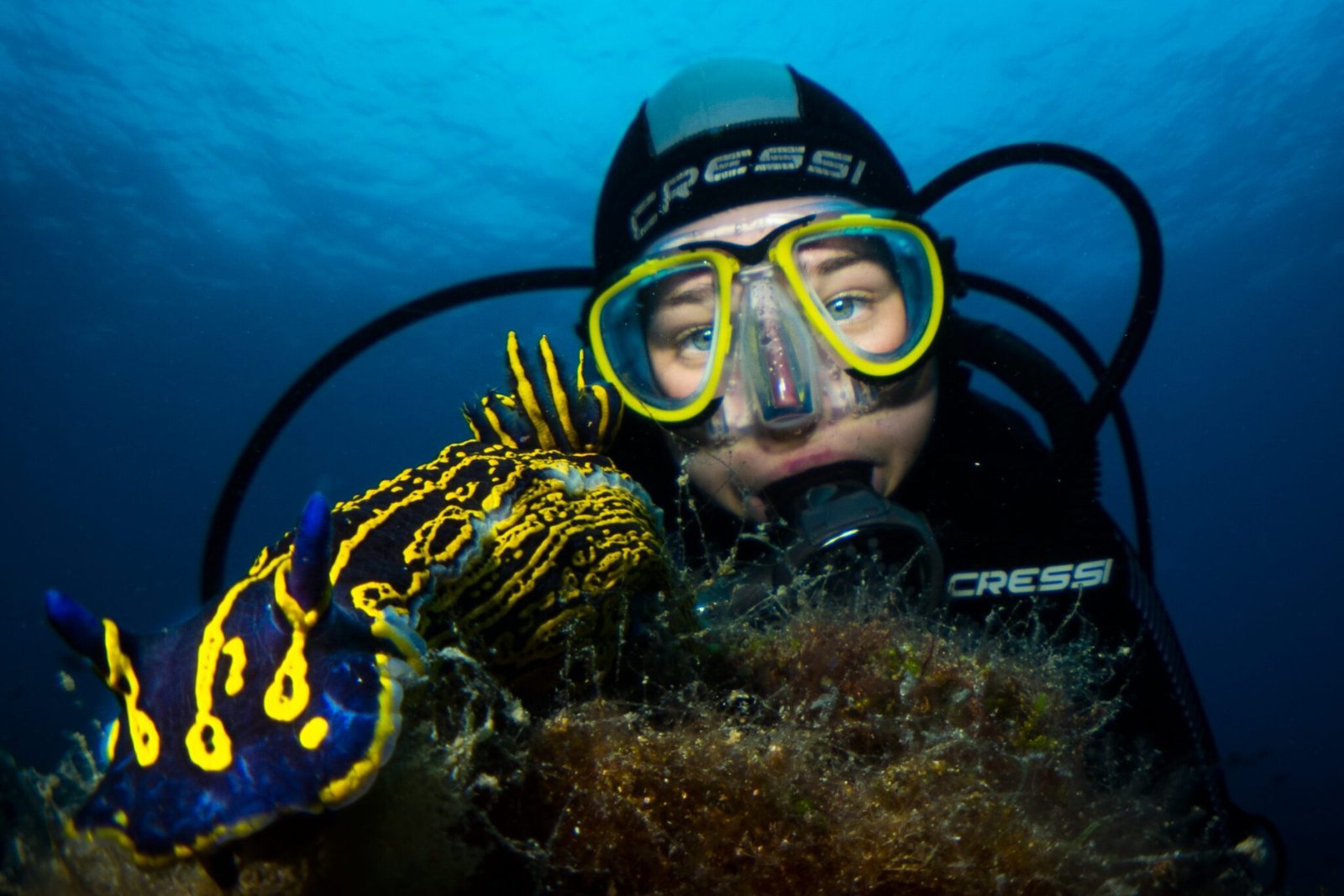
For a first dive, shallow does not mean boring. 🐠 At just a few metres, you can already breathe underwater, practise simple signals, feel neutral buoyancy and see marine life with plenty of light and colour. At Family Elite Divers, we help you find and book experiences with selected local dive centres where safety, comfort and proper supervision matter more than reaching a specific number on a depth gauge.
🤿 Typical depth on a Discover Scuba Dive
Most beginner dives take place in calm, sheltered water where the instructor can control the pace easily. 🌊 The experience usually starts with a briefing, shallow-water practice and a slow descent. For many first-time divers, the most important part happens in the first few metres: learning to breathe, equalise your ears and move calmly with the equipment.
- Common beginner range: around 3 to 6 metres for many first dives.
- Possible maximum in open water programmes: up to 12 metres, depending on standards and conditions.
- Reaching the maximum is not the goal: the instructor adapts the dive to the group.
- Comfort comes first: if someone struggles to equalise or feels nervous, the dive stays shallower.
- There is plenty to enjoy shallow: light, colour, control and the feeling of real scuba diving.
- Depth does not define the experience: a good first dive is safe, relaxed and memorable.
As an external reference, PADI explains that the maximum depth for an open water dive during a Discover Scuba Diving experience can be 12 metres / 40 feet, while also making clear that you do not need to go that deep. You can read more in PADI’s explanation of Try Dive vs Discover Scuba Diving. 🤿
🧭 Why beginner dives stay shallow
The main reason is simple: a Discover Scuba Dive is designed to introduce you to scuba diving, not to take you deep. 🫧 The aim is to understand the basic sensations, stay close to your instructor and enjoy the experience without unnecessary stress. If you want the bigger picture, read our guide to Discover Scuba Diving.
As you descend, pressure increases and you need to equalise your ears. 👂 That is why the descent should be slow, controlled and supervised. If you feel discomfort, the right thing to do is signal your instructor, go slightly shallower and try again gently. DAN Europe gives the same safety message in its guide to ears and diving: if you cannot equalise or you feel pain, you should not keep descending.
| Depth | What usually happens | Best suited for |
|---|---|---|
| 1-3 metres | First contact with breathing, signals and equipment control. | Nervous beginners or very cautious first-time divers. |
| 3-6 metres | A very common range for a relaxed beginner scuba experience. | Most beginners who adapt comfortably. |
| 6-12 metres | Only when the programme, instructor and conditions allow it. | Comfortable beginners with good equalisation and direct supervision. |
What affects the final depth?
Not every first dive is the same. 🌊 The final depth depends on sea conditions, visibility, the dive site, group size, age, confidence, ear equalisation and the instructor’s judgement. In a well-run beginner experience, the instructor does not push the dive deeper just to reach a number. The route is adapted to the person, not the other way around.
If ear pressure worries you, it is worth reading our guide on how to equalise your ears while scuba diving. 👂 Equalising is one of the most common beginner concerns and it can make a big difference to how relaxed your descent feels.
FED tip: for your first dive, do not choose the experience based on the deepest number advertised. Choose a dive with a clear briefing, close instructor supervision, checked equipment, small groups and a beginner-friendly dive site. A shallower dive you enjoy is usually much better than a deeper dive you spend feeling tense.
If you are planning your first dive in Tenerife, you can also look at Discover Scuba Diving in South Tenerife. 🐟 If you still have safety questions, our guide on whether Discover Scuba Diving is safe is a good next read.
✅ Safety, common mistakes and beginner questions
A moderate depth gives the instructor more control and gives you more time to relax. 🫧 If you feel nervous, unsure or uncomfortable in the water, say it before the dive starts. Being honest with your instructor improves both safety and enjoyment. You can also read our guide on what to do if you feel scared or panic underwater.
Common mistakes about depth
- Thinking deeper means better: on a first dive, comfort and control matter more. 🤿
- Ignoring ear discomfort: pressure or pain should always be signalled to the instructor. 👂
- Comparing yourself with others: every beginner descends at a different pace. 🫧
- Booking only by price: for a safety-based activity, the centre and instructor matter. ✅
- Assuming you need experience: Discover Scuba Diving is made for beginners under direct supervision. 🐠
Checklist before booking
- Ask about the approximate depth and whether it is adapted to the group.
- Check that there is a proper briefing on breathing, signals and equalisation.
- Make sure the dive centre works with certified professionals and checked equipment.
- Mention ear issues, congestion, nerves or medical concerns before entering the water.
- Choose a calm, beginner-friendly site, especially for your first dive.
If you are worried about swimming ability, read whether you need to know how to swim for Discover Scuba Diving. 🏊 If you want to continue after your first experience, you can compare it with the Open Water Diver course. 🤿
❓ FAQ about depth on a Discover Scuba Dive
What is the maximum depth for Discover Scuba Diving?
In open water programmes, the maximum can be 12 metres / 40 feet, but many beginner dives stay shallower, often around 3 to 6 metres. 🤿
Can I be forced to go deeper?
No. A good instructor adapts the experience. If you are uncomfortable, cannot equalise or conditions are not ideal, the dive stays shallower or changes plan. ✅
Can you see fish in shallow water?
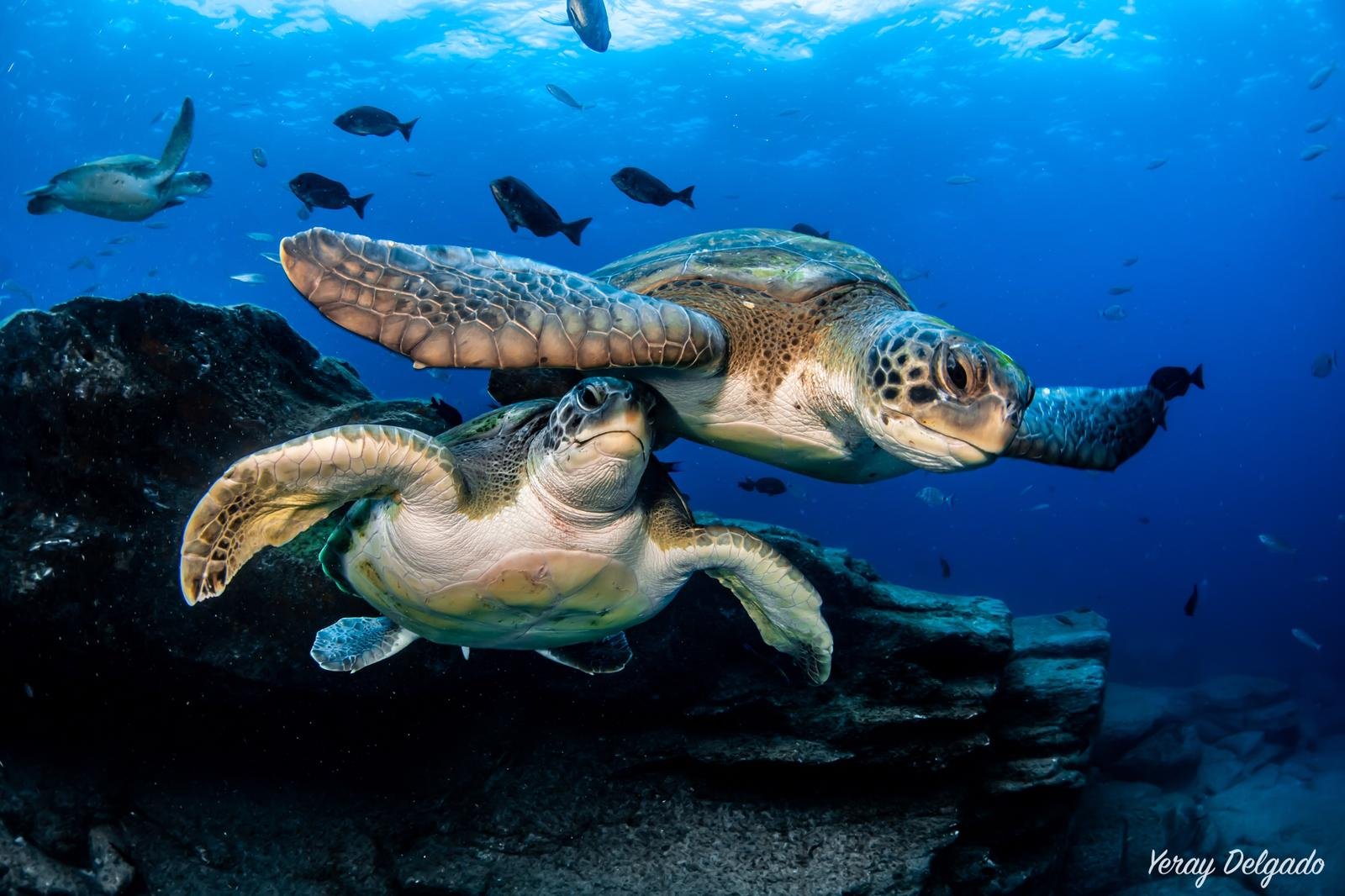
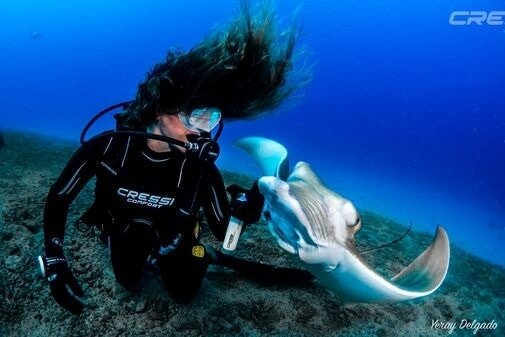
Yes. In many Canary Islands dive sites, there is marine life, colour and volcanic scenery from just a few metres. 🐠 Feeling relaxed usually matters more than going deeper.
Should descending hurt?
No. You may feel pressure in your ears, but it should ease when you equalise. 👂 If you feel pain, signal your instructor, go slightly shallower and do not force the descent.
Is deeper always more dangerous?
Depth adds factors such as pressure, air consumption and control. That is why beginner dives are limited, gradual and directly supervised. 🫧
Can I do the Open Water Diver course after a Discover Scuba Dive?
Yes. Many people try a Discover Scuba Dive first and then continue with the Open Water Diver course if they want to become certified. 🤿
In short: you do not need to go deep to have a real first scuba diving experience. What matters is choosing a reliable dive centre, listening to your instructor and enjoying a safe, controlled introduction to the underwater world. If you have specific questions before booking, you can contact Family Elite Divers and we will help you find a suitable option.
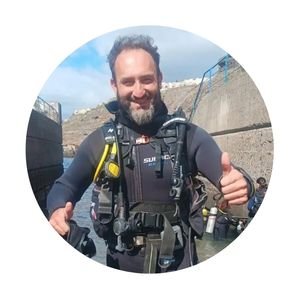
I’m Esteban, a diver and the person behind Family Elite Divers.
Tell me your skill level, your dates, and where you’d like to dive, and I’ll help you choose the experience that best suits you.
Do you have any questions before booking? Write to me, and I’ll give you personalized guidance.