Where to see sharks while diving in the Canary Islands 🇮🇨
Where to find them while diving and how to have a safe, guided experience in the Atlantic.
Where to see sharks while diving in the Canary Islands 🇮🇨
Where to find them while diving and how to have a safe, guided experience in the Atlantic.
Home » Sharks in the Canary Islands: where to see them diving and which species
The Canary Islands are one of the few places in Europe where divers can still experience wild sharks in their natural Atlantic habitat 🌊🦈. While sightings are not as frequent as in tropical destinations, the archipelago is home to fascinating species that make every dive an unforgettable experience.
If you are wondering where to see sharks in the Canary Islands while diving, the answer depends on the species, depth, and season. In this guide, we’ll explain everything you need to know to enjoy a safe, respectful, and truly unique encounter with marine predators.
🌊 QUICK SUMMARY: ARE THERE SHARKS IN THE CANARY ISLANDS?
✔ Yes, sharks do live in the Canary Islands, but most species are harmless or rarely seen.
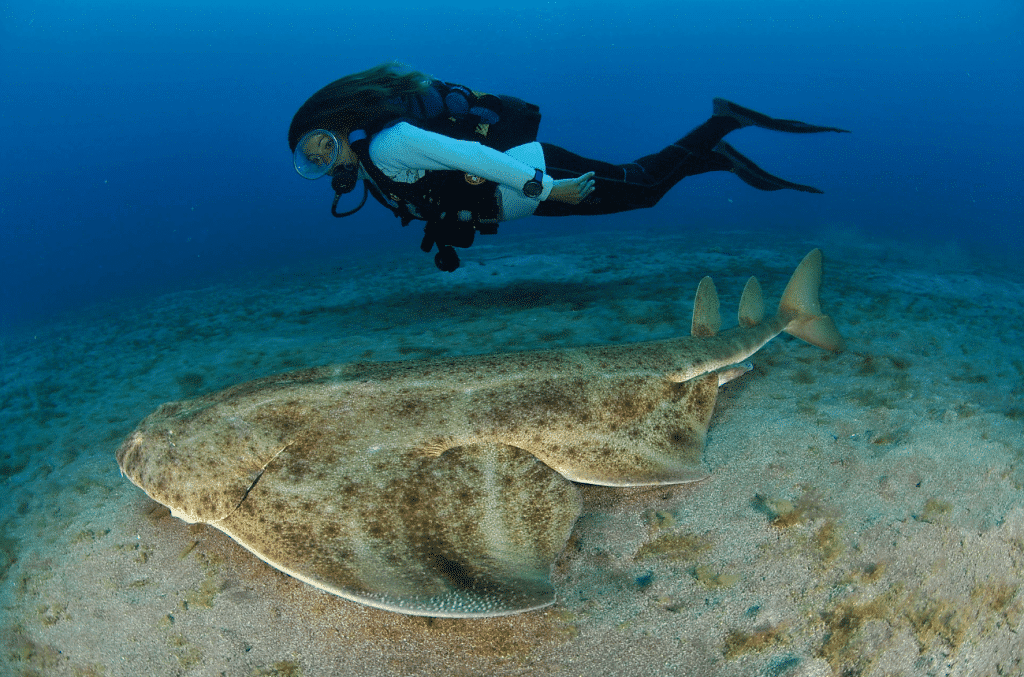
✔ The most common species is the angel shark 🦈 (a flat, calm bottom-dweller).
✔ Blue sharks may appear in deeper offshore waters.
✔ The Canary Islands are about observation, not aggressive encounters.
👉 The safest way to explore shark encounters is through guided dives with professionals like Family Elite Divers.
🐠 WHY THE CANARY ISLANDS ARE PERFECT FOR SHARK ENCOUNTERS
Diving in the Canary Islands means entering a unique volcanic ecosystem 🌋 with rocky bottoms, sandy plains, and underwater caves that create the perfect environment for several shark species.
One of the biggest advantages is exceptional visibility (up to 30 meters on good days), allowing divers to observe marine life clearly even at medium depths 🌊.
Water temperatures remain stable throughout the year, which helps sustain rich biodiversity and occasional encounters with pelagic species.
Areas like Tenerife or El Hierro benefit from nutrient-rich currents that attract marine life, increasing the chances of spotting larger species.
To better understand these ecosystems, check our guide to diving in the Canary Islands or explore volcanic underwater landscapes.
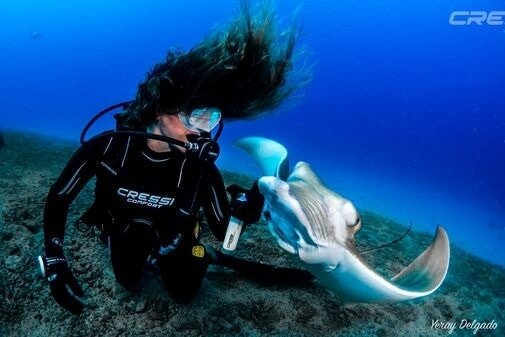
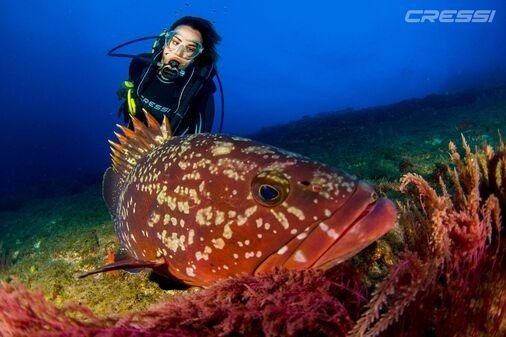
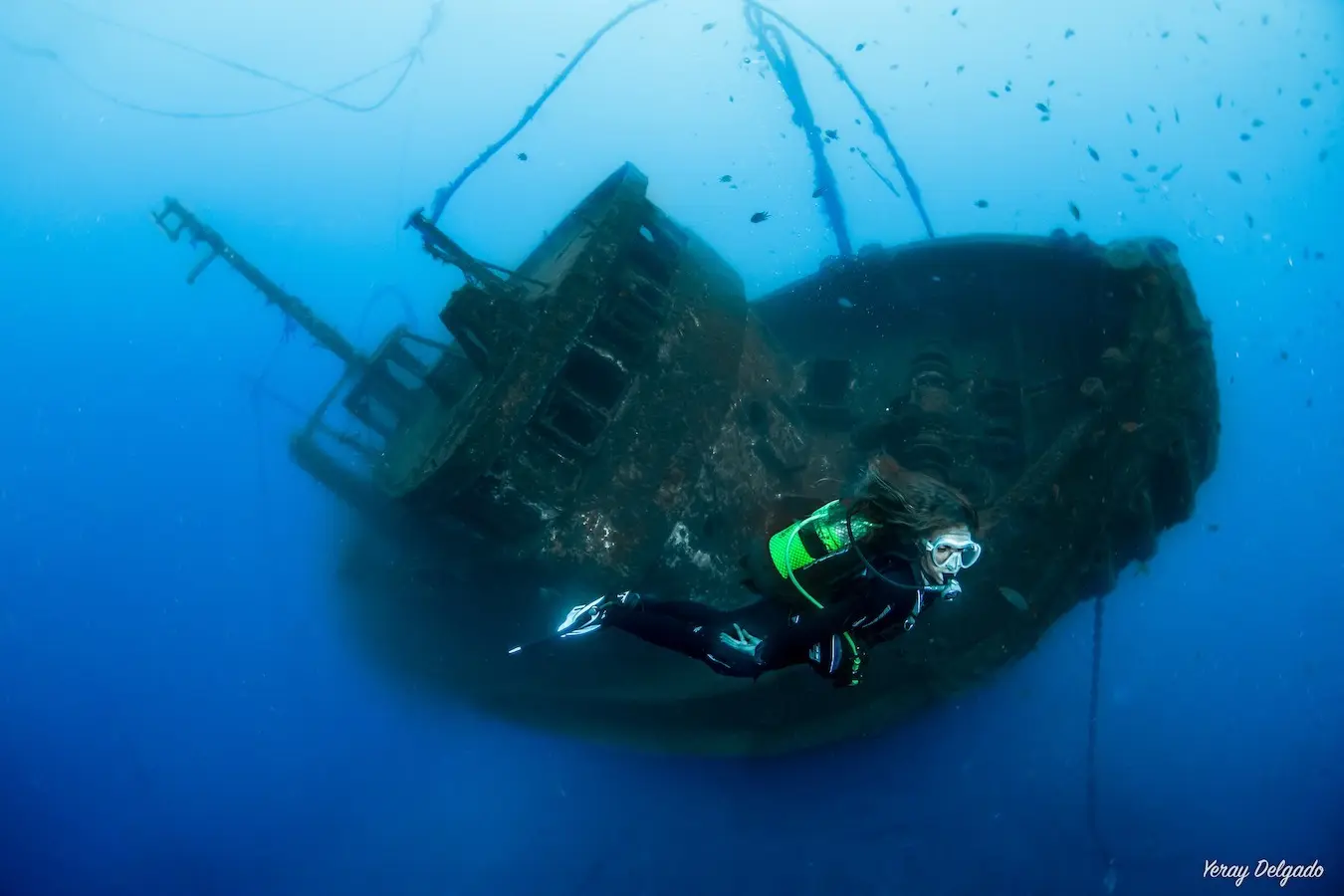
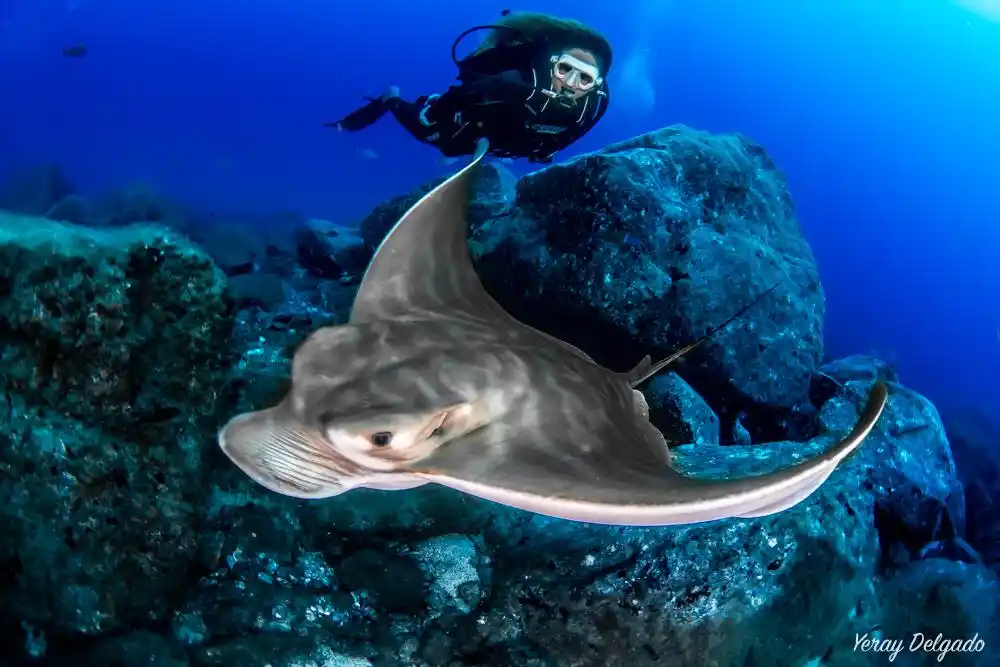
🦈 MAIN SHARK SPECIES YOU CAN SEE IN THE CANARY ISLANDS
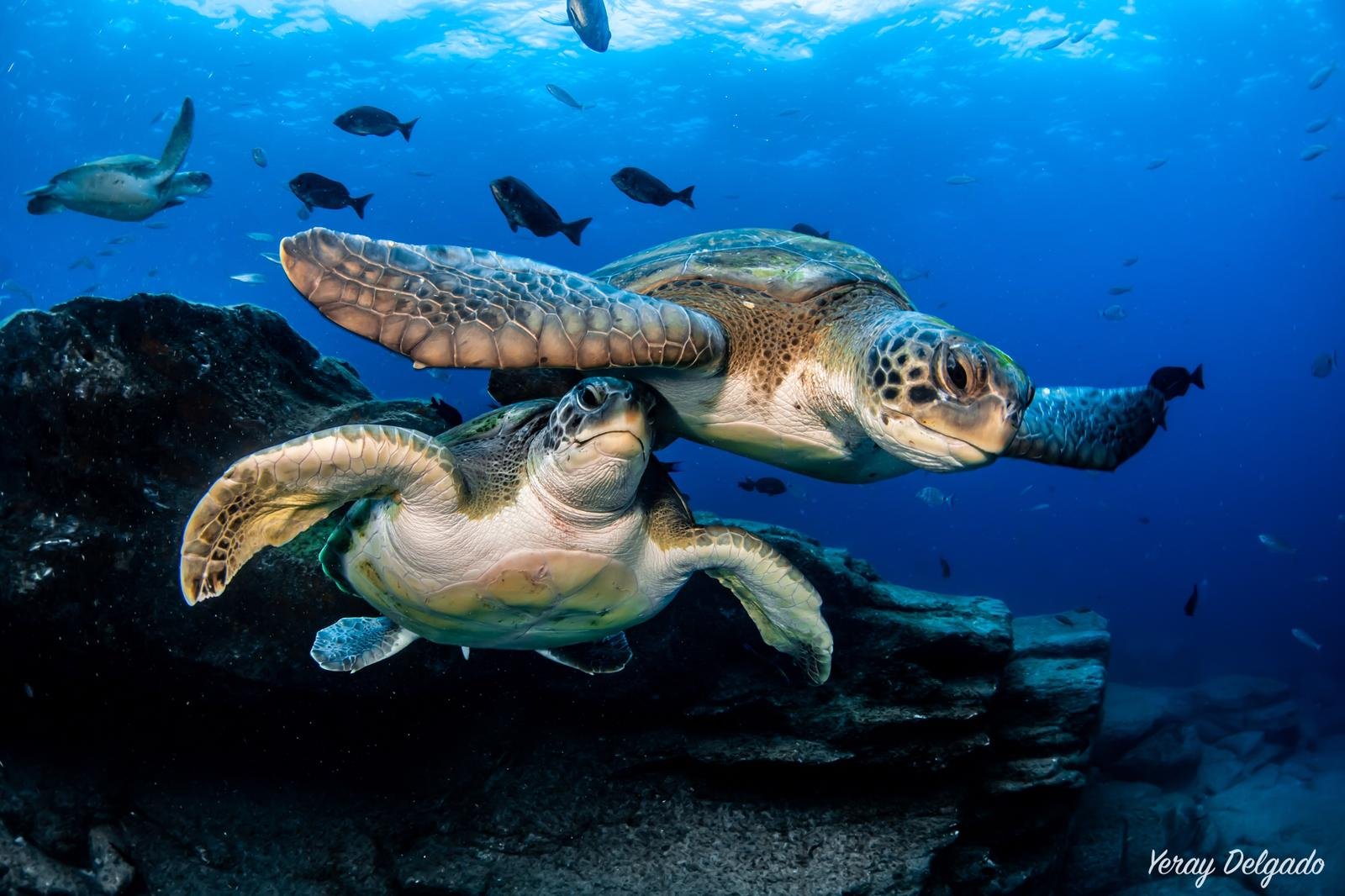
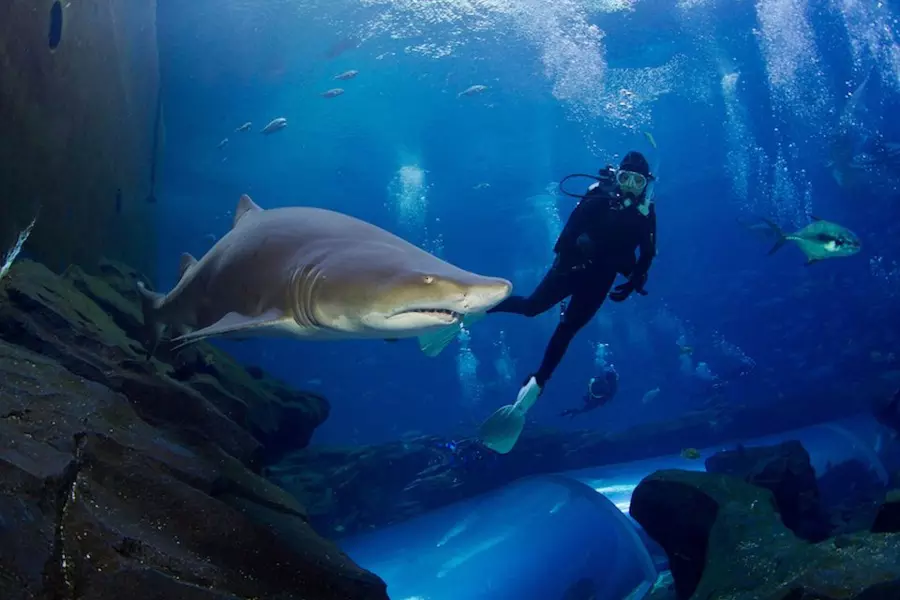
Although large predator encounters are rare, the Canary Islands host several interesting shark species 👇
🟤 Angel Shark
The most iconic species in the region. The angel shark is completely harmless and lives camouflaged on sandy seabeds.
It is most commonly spotted in Tenerife and protected sandy areas. Learn more about local ecosystems in marine life in the Canary Islands.
🔵 Blue Shark
A pelagic species found in deeper offshore waters. Elegant and curious, but rarely seen close to shore or during recreational dives.
⚪ Occasional Species
In very rare cases, species like hammerhead sharks or even whale sharks may pass through the region 🌊, but these sightings are exceptional.
🏝️ BEST PLACES TO SEE SHARKS IN THE CANARY ISLANDS
Not all dive sites offer the same chances of encounters. Here are the most relevant locations based on biodiversity and diving conditions.
🌊 Tenerife
One of the best islands for spotting angel sharks. Key dive areas include Las Chafiras, Los Cristianos, Radazul, and Garachico.
Explore guided experiences in diving in Tenerife or book directly:
👉 Las Chafiras | Los Cristianos | Radazul | Garachico
🌋 El Hierro
A wild and remote diving destination with rich pelagic biodiversity. Shark sightings are rare but the environment is one of the most pristine in Europe 🌊.
More info in diving in the Canary Islands guide.
🐠 Gran Canaria & Lanzarote
These islands offer deeper dive sites where pelagic species may appear. Ideal for advanced divers seeking open-water experiences.
📅 BEST TIME TO SEE SHARKS IN THE CANARY ISLANDS
There is no official “shark season,” but certain conditions increase your chances.
During spring and summer, the sea is generally calmer 🌞, improving visibility and making angel shark sightings more likely on sandy bottoms.
In winter, stronger currents may bring pelagic species closer, although diving conditions can be more challenging.
The Canary Islands allow diving all year round, making shark encounters a year-round possibility depending on conditions.
🎒 SAFETY TIPS FOR SEEING SHARKS WHILE DIVING
Seeing sharks in the Canary Islands is a safe experience when done responsibly 🦈.
- Keep a safe distance at all times.
- Never touch or feed marine life.
- Follow your dive guide instructions carefully.
- Maintain proper buoyancy control.
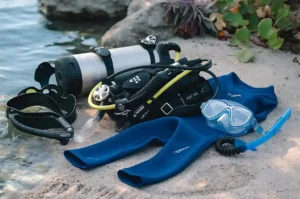
- Use certified and appropriate diving equipment.
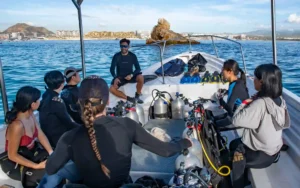
Professional dive centers like Family Elite Divers work with certified instructors and small groups to ensure a safe and personalized experience 🤿.
Learn how bookings work here: how scuba diving booking works.
⚠️ COMMON MISTAKES WHEN LOOKING FOR SHARKS
Many divers arrive expecting constant shark encounters, but reality is different.
- ❌ Expecting sharks on every dive.
- ❌ Disturbing the marine environment.
- ❌ Diving without a guide in deep areas.
- ❌ Misidentifying harmless species as dangerous.
- ❌ Ignoring ecological guidelines.
The real beauty of diving in the Canary Islands lies in overall biodiversity, not just shark sightings 🌊.
🏆 BOOK SAFE SHARK DIVING EXPERIENCES WITH FAMILY ELITE DIVERS
If you want to increase your chances of seeing sharks in the Canary Islands, diving with professionals is essential.
At Family Elite Divers, we offer certified instructors, verified dive centers, and personalized experiences for all levels 🤿.
Explore all destinations in our dive destinations or book your Tenerife experience.
👉 Dive safely, learn more, and discover the Atlantic like never before.
❓ FAQ: SHARKS IN THE CANARY ISLANDS
Are sharks dangerous in the Canary Islands?
No. Most species are harmless and encounters are extremely safe when following diving rules.
Where is the best place to see sharks?
Tenerife and El Hierro are the most promising islands, especially for angel sharks.
Can beginners see sharks while diving?
Yes, but sightings are not guaranteed. Beginners may occasionally spot angel sharks in shallow sandy areas.
What is the most common shark in the Canary Islands?
The angel shark is the most frequently seen species.
Do I need experience to dive in shark areas?
Some deeper sites require Open Water or Advanced certification.
📚 RELATED ARTICLES
Marine life in the Canary Islands
Volcanic diving in the Canary Islands
Diving in the Canary Islands guide
Best dive spots in the Canary Islands
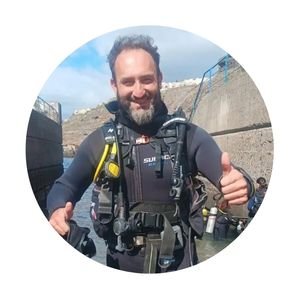
I’m Esteban, a diver and the person behind Family Elite Divers.
Tell me your skill level, your dates, and where you’d like to dive, and I’ll help you choose the experience that best suits you.
Do you have any questions before booking? Write to me, and I’ll give you personalized guidance.